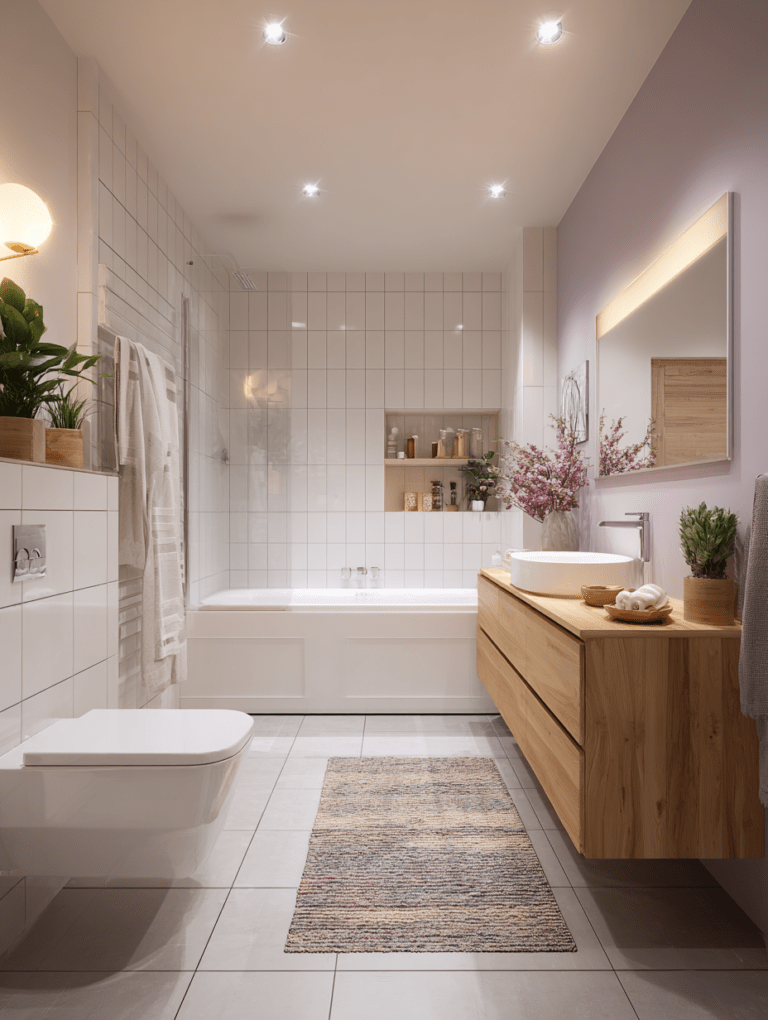
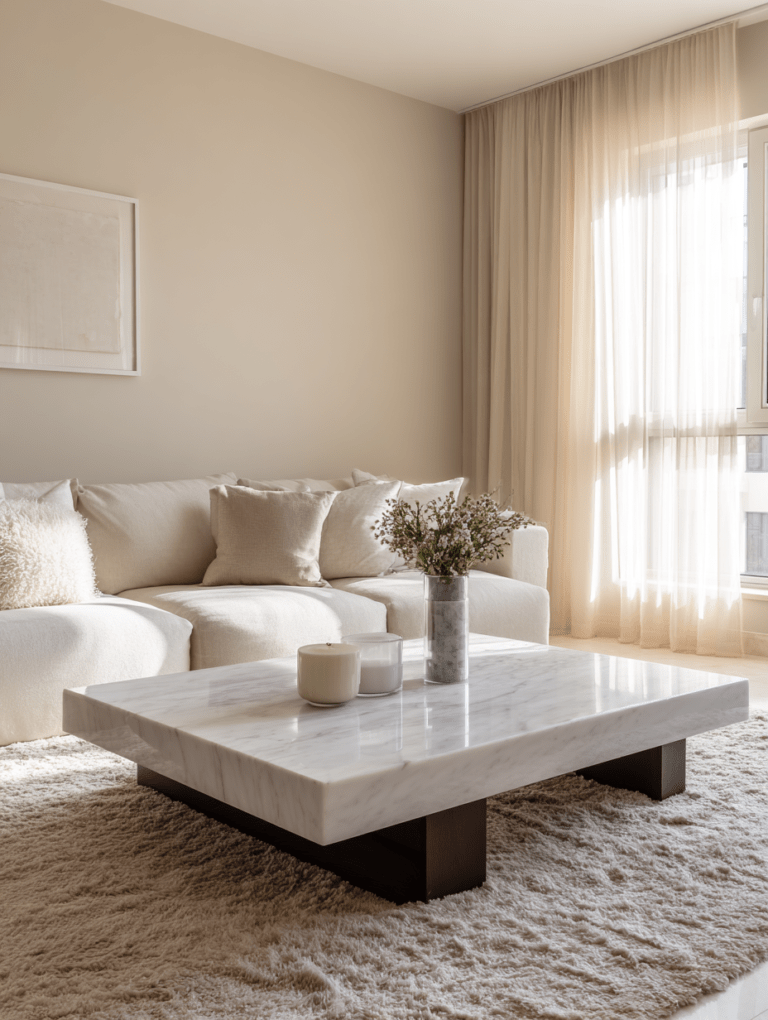
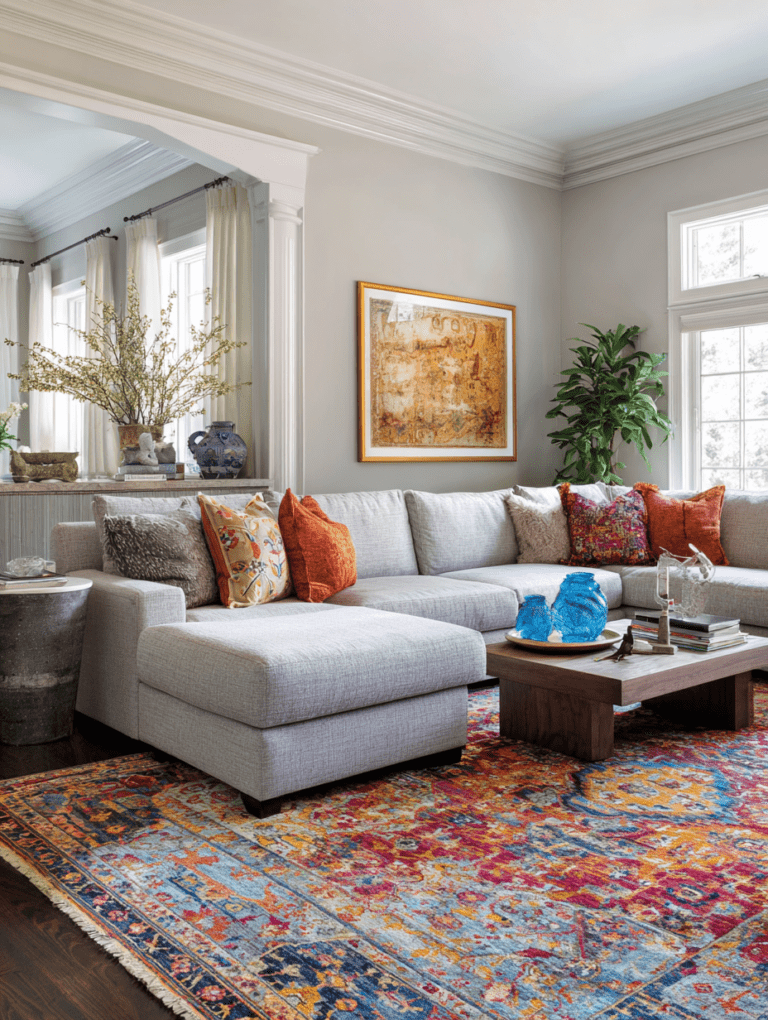
There’s a difference between a feminine home and a feminine touch. We often see spaces that start out soft and beautiful, but slowly lose depth. They become overly delicate, a bit too curated, sometimes even slightly childish.
At the same time, many people actually like softer tones, vintage details, or subtle florals – even in a shared space. The challenge isn’t avoiding femininity. It’s balancing it in a way that doesn’t eliminate the masculine energy in a home.
Because the goal isn’t to design “for her” or “for him.” It’s to create a space where both energies exist without competing. Here is how to achieve exactly this.
Build a Masculine Foundation First
The easiest way to avoid a space feeling too soft is to start with structure.
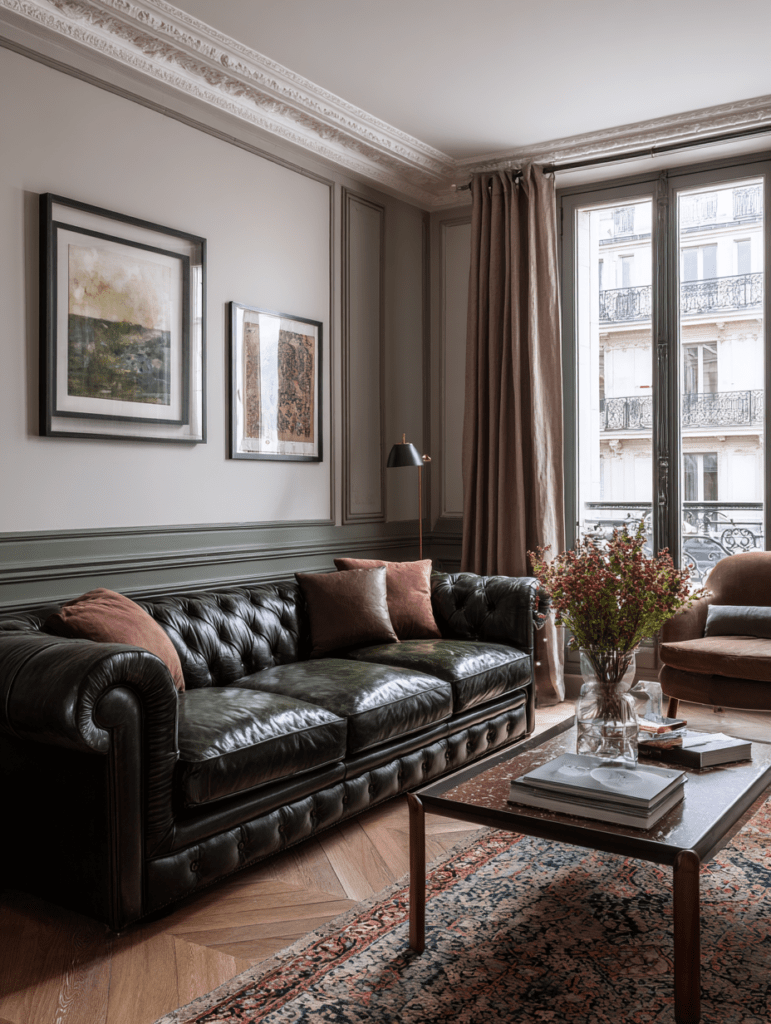
We often recommend building your base with elements that naturally carry more visual weight: deeper tones, clean lines, solid furniture pieces. This doesn’t mean dark or heavy – it just means stable.
A room needs something that grounds it before you start layering softer details. Once that foundation is there, feminine elements don’t feel overwhelming anymore.
Let Textiles Do the Balancing
This is where most of the shift happens.
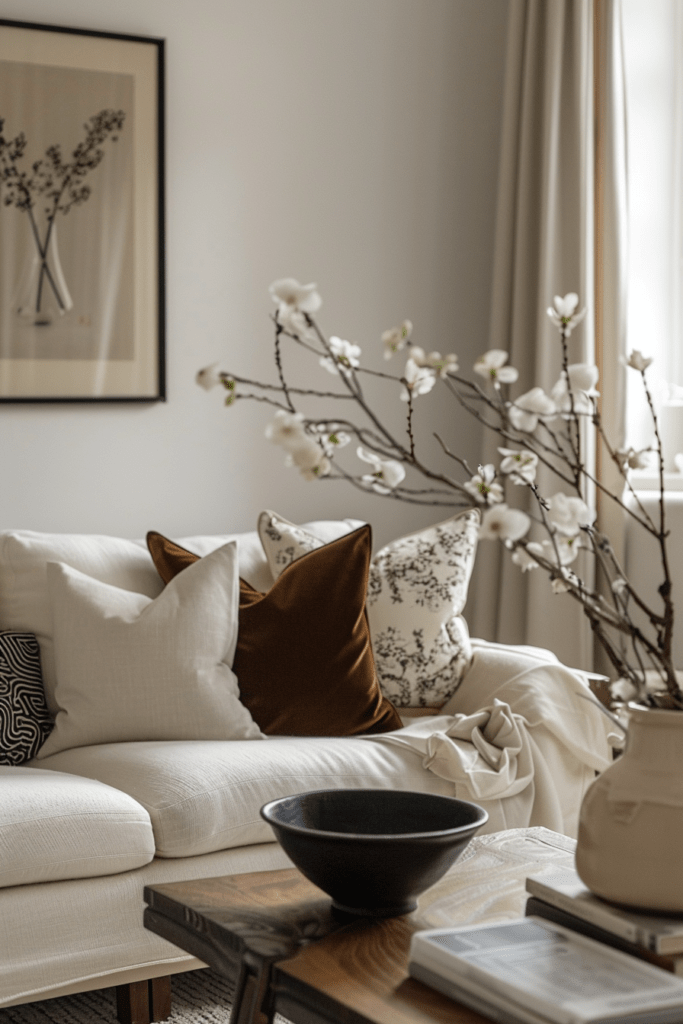
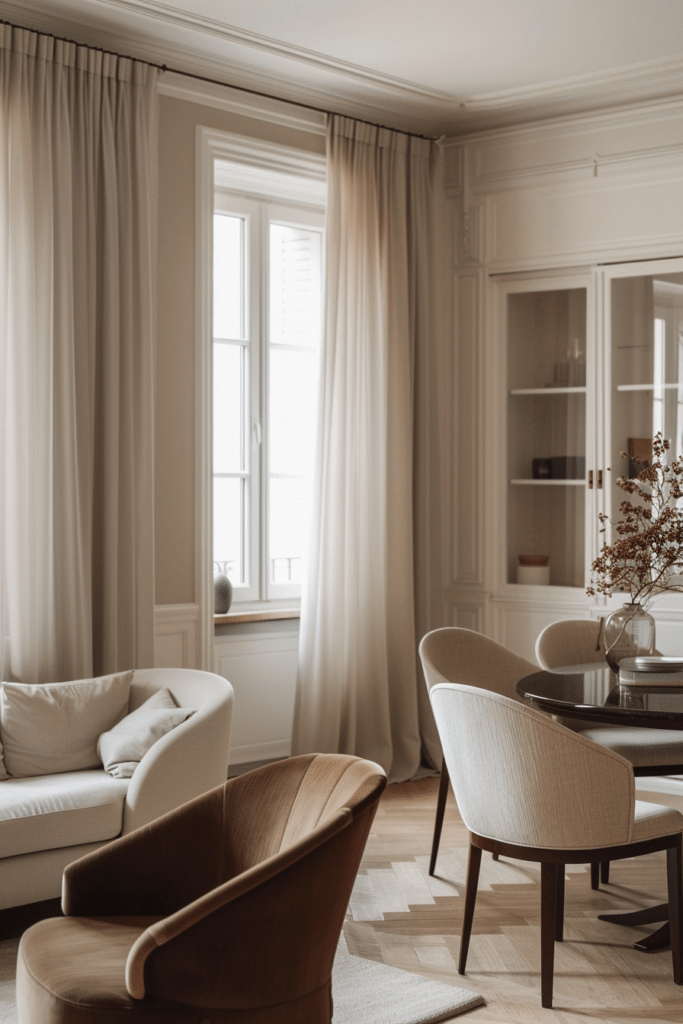
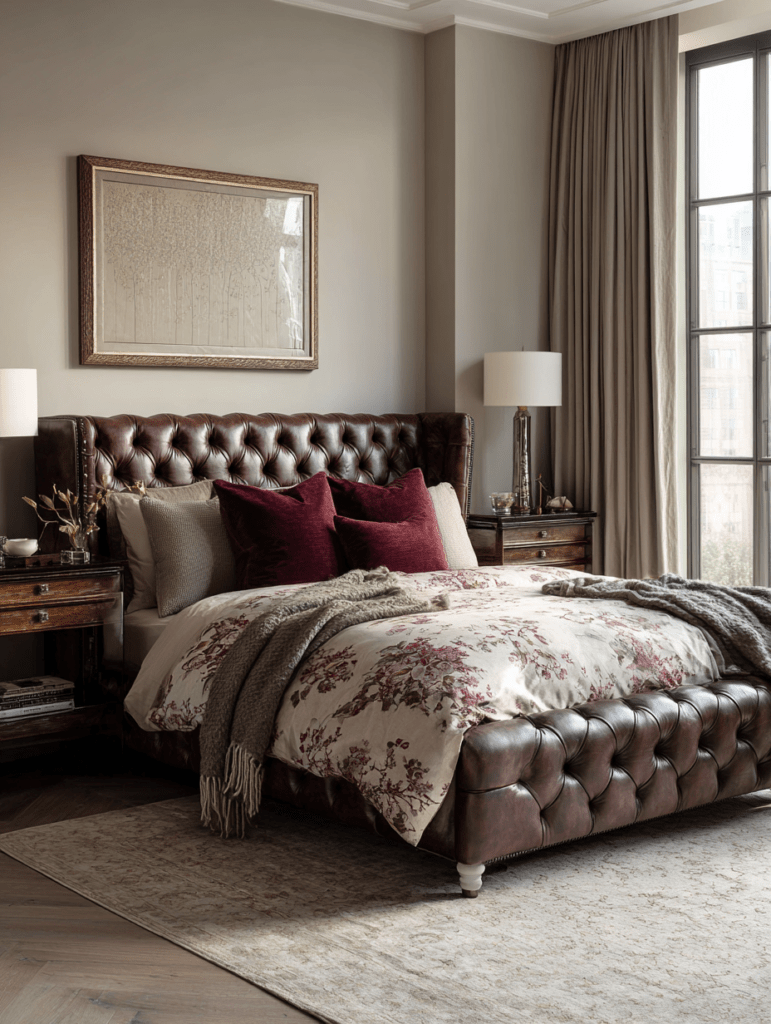
Soft fabrics, light tones, and delicate details naturally lean feminine. But the moment you introduce contrast – like leather, darker upholstery, or heavier textures – the entire space shifts.
We often see that just one or two stronger materials can “hold” the room. They take away that overly sweet feeling and replace it with depth.
Soft layers bring warmth, structured materials bring balance.
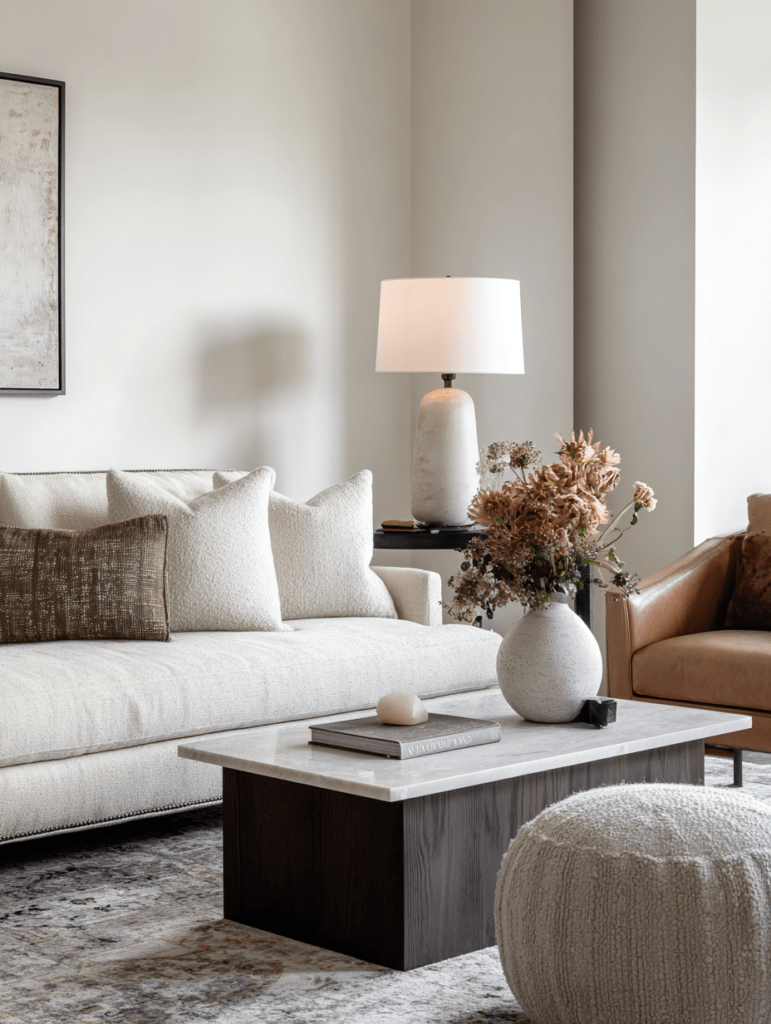
Choose Colors That Sit in Between
Color is where many spaces accidentally lean too far in one direction.
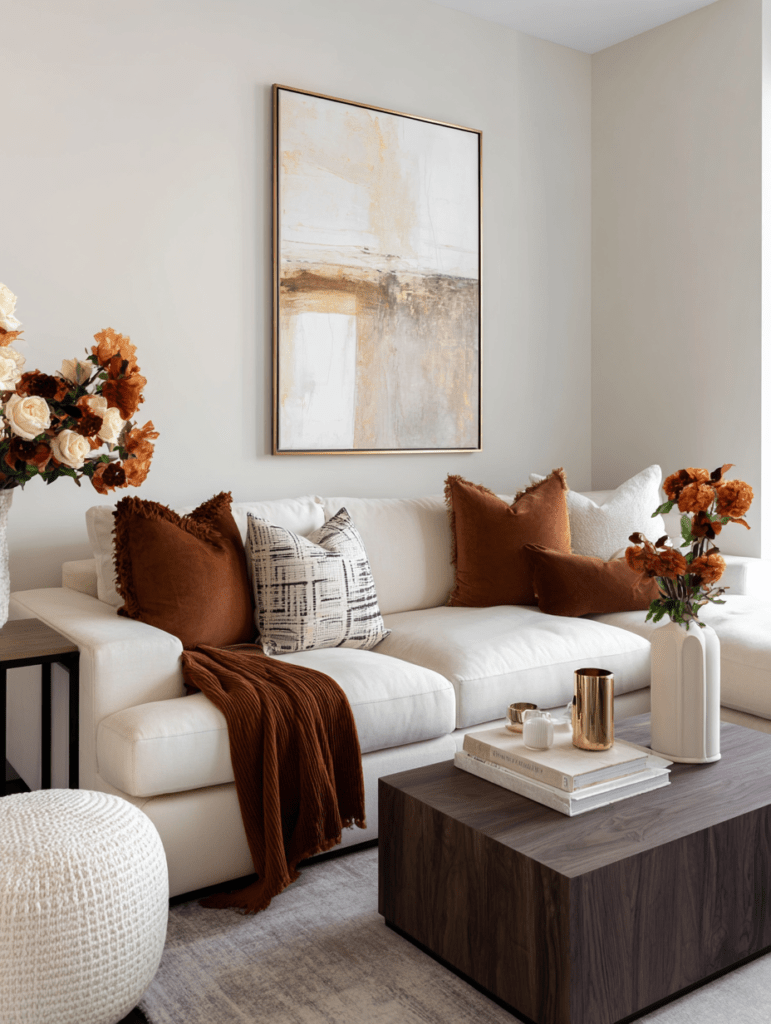
Feminine is often associated with pink – but that’s exactly what can make a room feel one-dimensional. Instead, we see the best results with colors that sit between both worlds:
- muted greens
- soft yellows
- warm beige tones with a rosy undertone
- dusty, desaturated hues
These tones feel feminine without competing with masculine energy.
Use Patterns as Controlled Feminine Accents
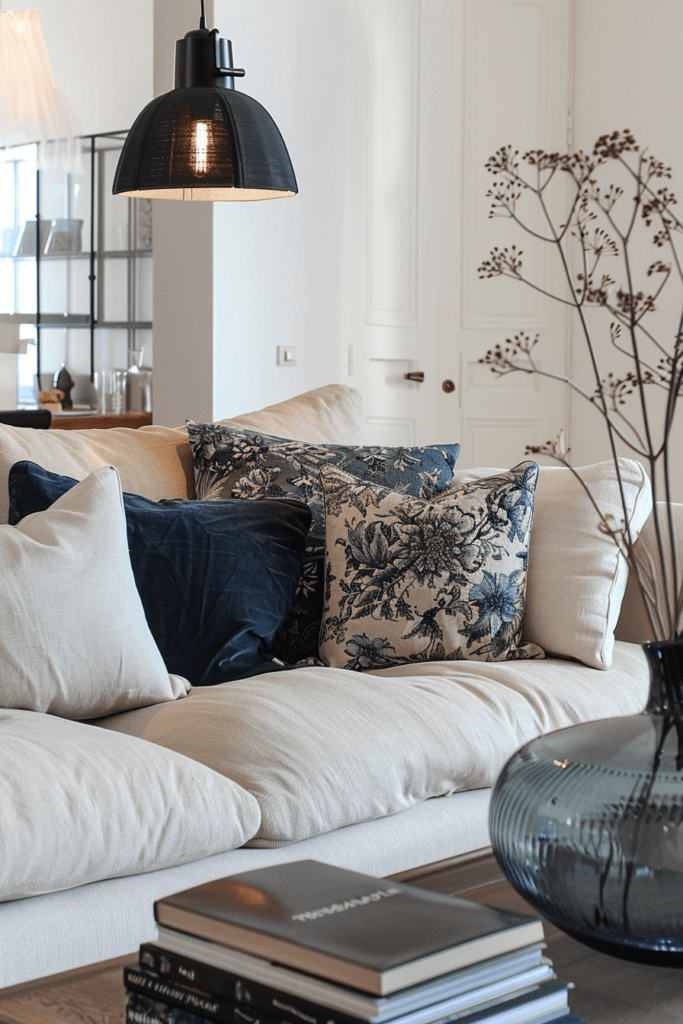
Patterns are one of the easiest ways to introduce femininity without relying on obvious color choices.
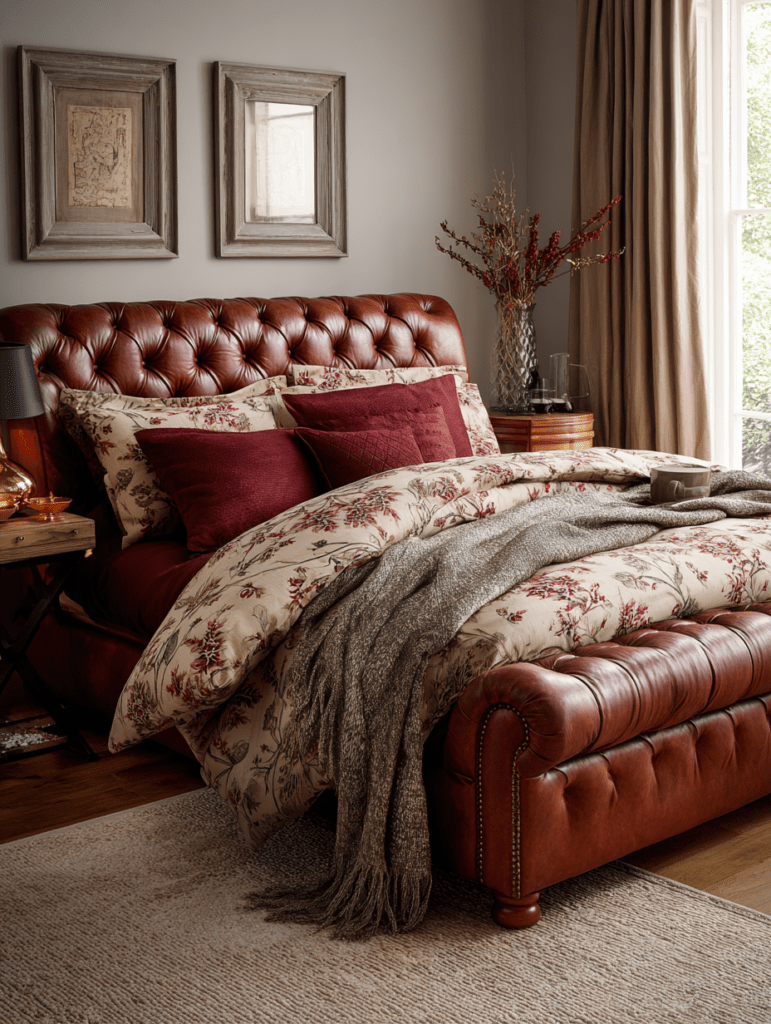
A subtle floral, a classic motif, or ornaments can soften a space instantly. But the key is control. Too many patterns, and the room starts to feel busy or overly styled.
We often recommend: let patterns be accents, not the main story.
Tip: Vintage Might Be Your Friend
Vintage pieces can be your best friend here – if you choose them carefully.
They naturally bring softness and character, especially through slightly faded colors and worn textures. But there’s a fine line: too ornate or too “grandma-like,” and the space quickly loses its balance.
Look for vintage shapes that feel clean, slightly simplified, or subtly aged. These pieces add warmth without overpowering the room.
Contrast Is What Makes It Work
At the end of the day, this isn’t about choosing between feminine or masculine.
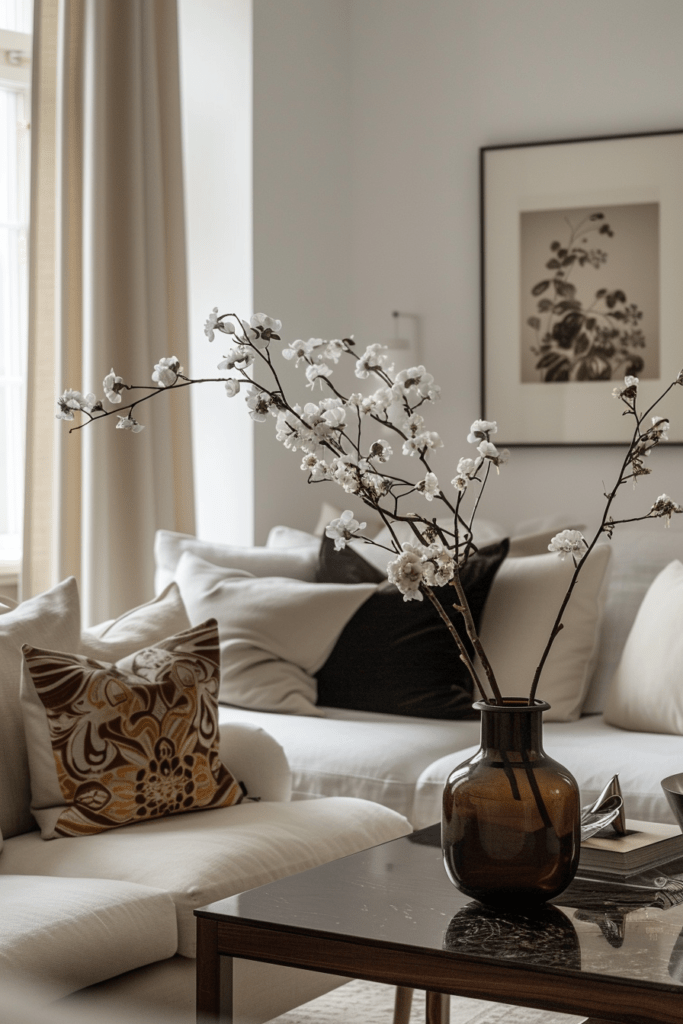
It’s about contrast.
Soft vs. structured
Light vs. grounded
Decorative vs. minimal
Patterns and accent colors bring the feminine touch, materials and base tones carry the masculine side.