Have you ever walked into a completely ordinary room and still thought, wow – even though it was small? That reaction rarely comes from size. It comes from styling.
A small room doesn’t need exaggeration to feel luxurious. It needs clarity. Because luxury in small rooms is rarely about how much you add and more about how well you edit.
Here’s how we approach it.
1. Create One Strong Focal Point
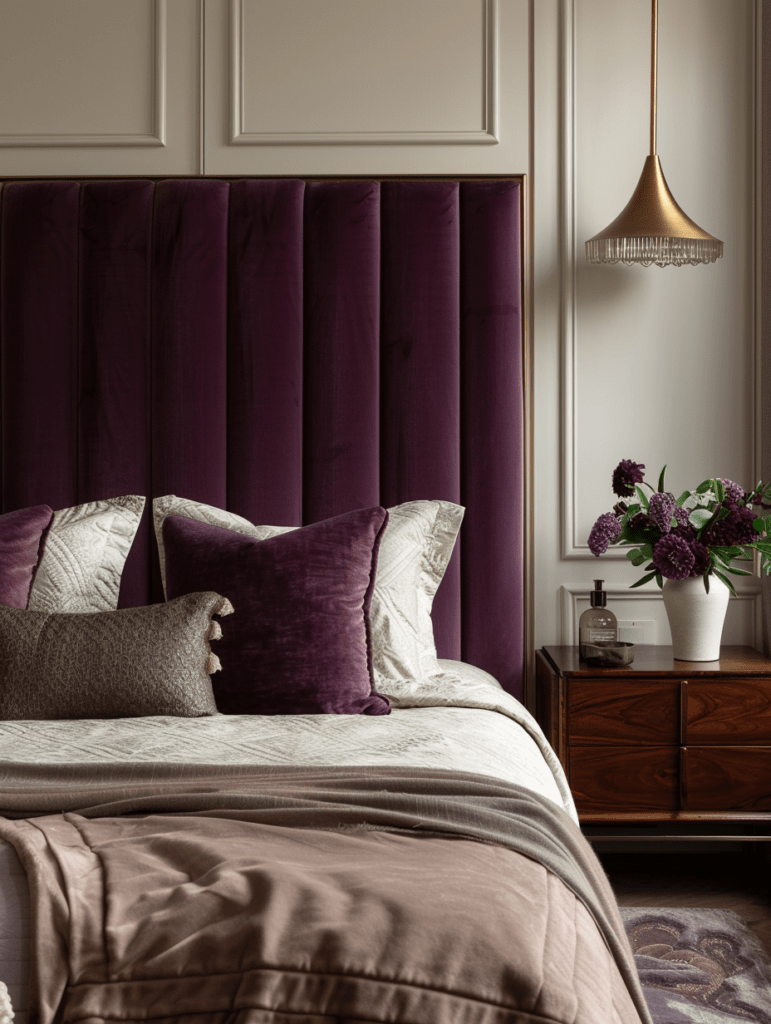
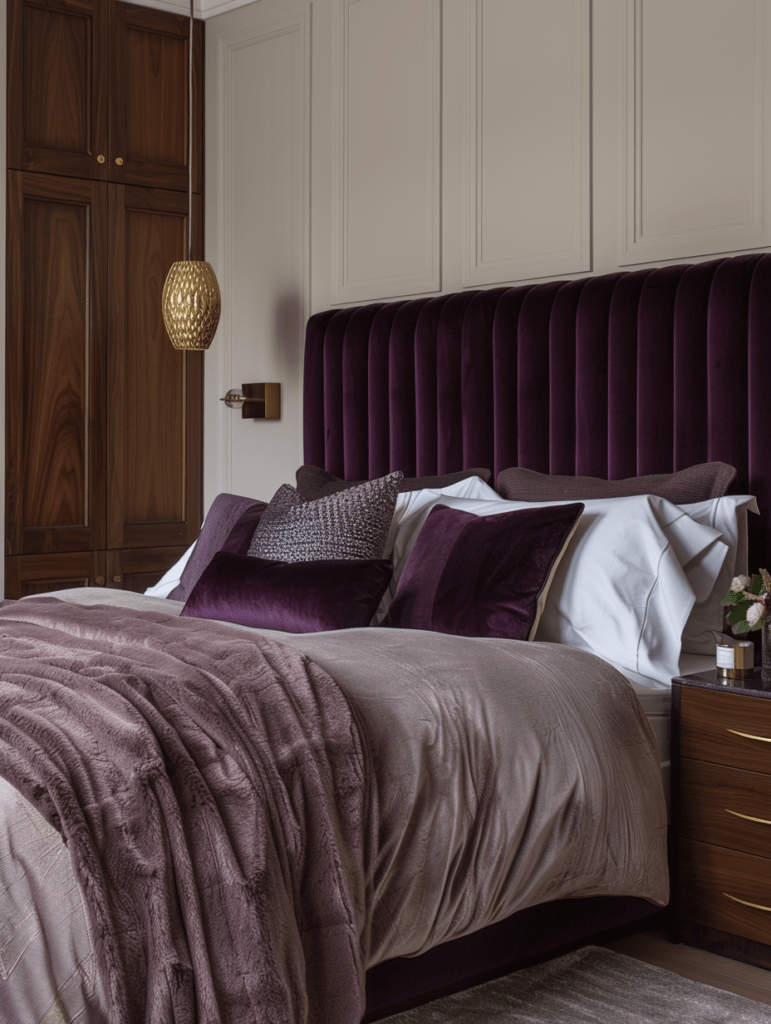
In smaller spaces, hesitation shows immediately. Too many small decorative pieces make the room feel fragmented. Instead, choose one element with presence – an oversized artwork*, a tall mirror*, a generous upholstered headboard.
A single bold gesture creates structure. Everything else can remain calm and supportive.

2. Elevate the Materials
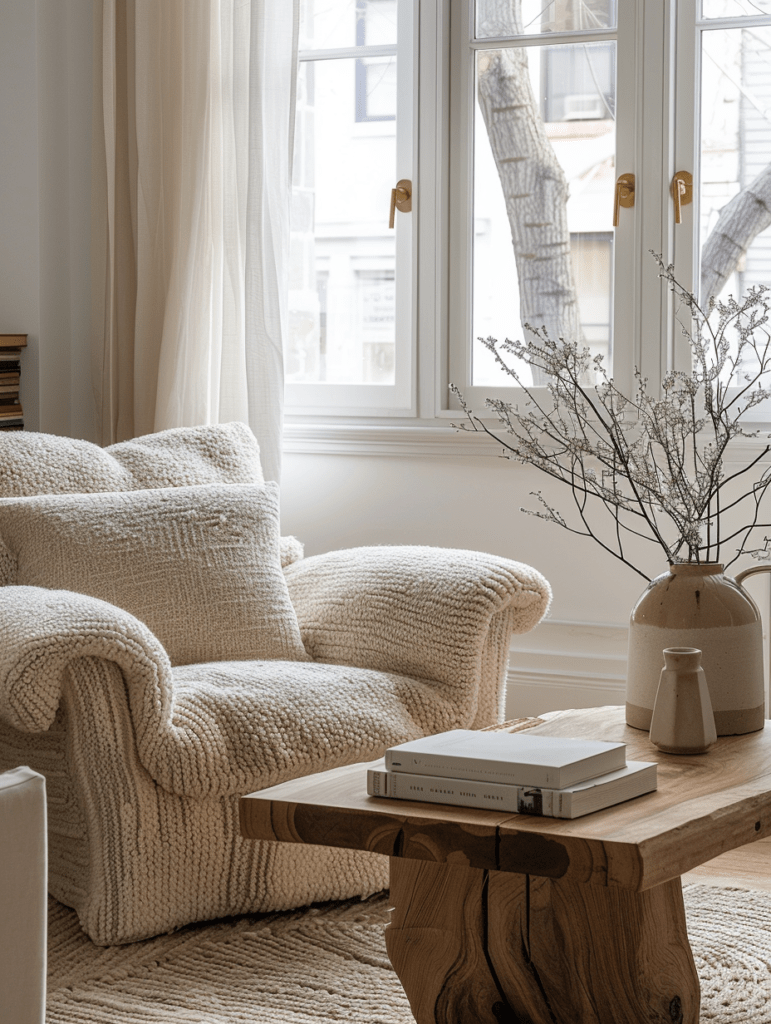
Cheap materials often create a cheap look. The quickest way to make a room look expensive is through texture.
Solid wood instead of veneer. Linen instead of synthetic blends. Matte ceramics instead of glossy plastic finishes. Even in a compact space, materials carry weight.
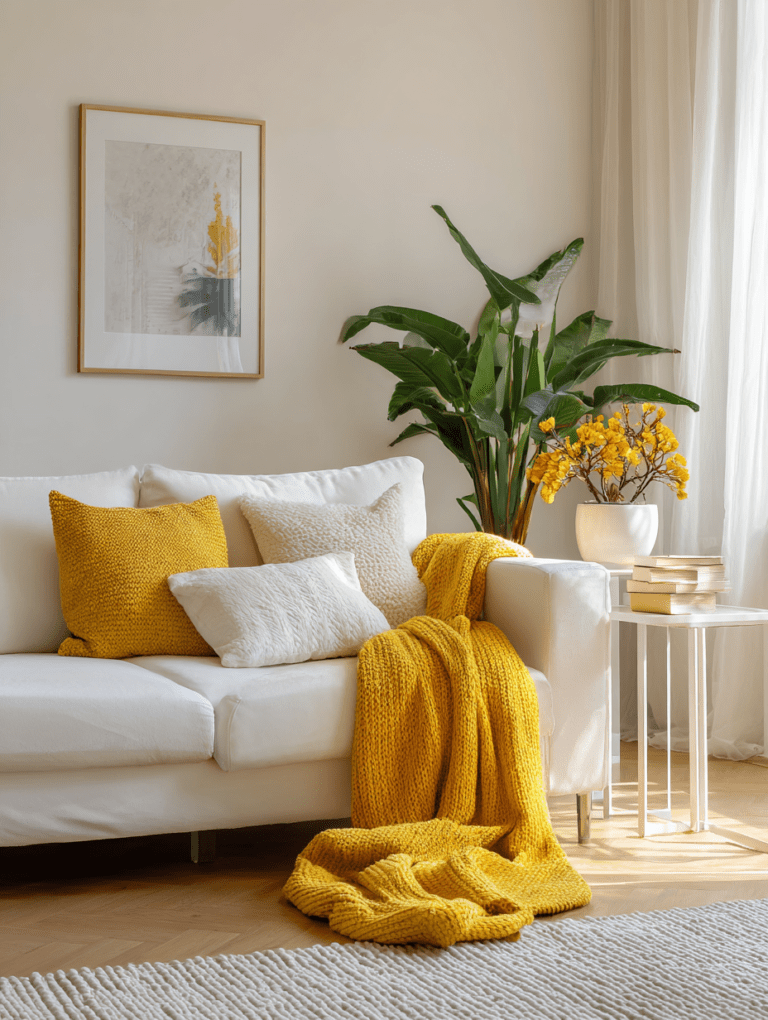
Layer fabrics thoughtfully – a textured throw*, structured curtains, a substantial rug*. Depth replaces decoration.
3. Introduce Depth with Dark Accents
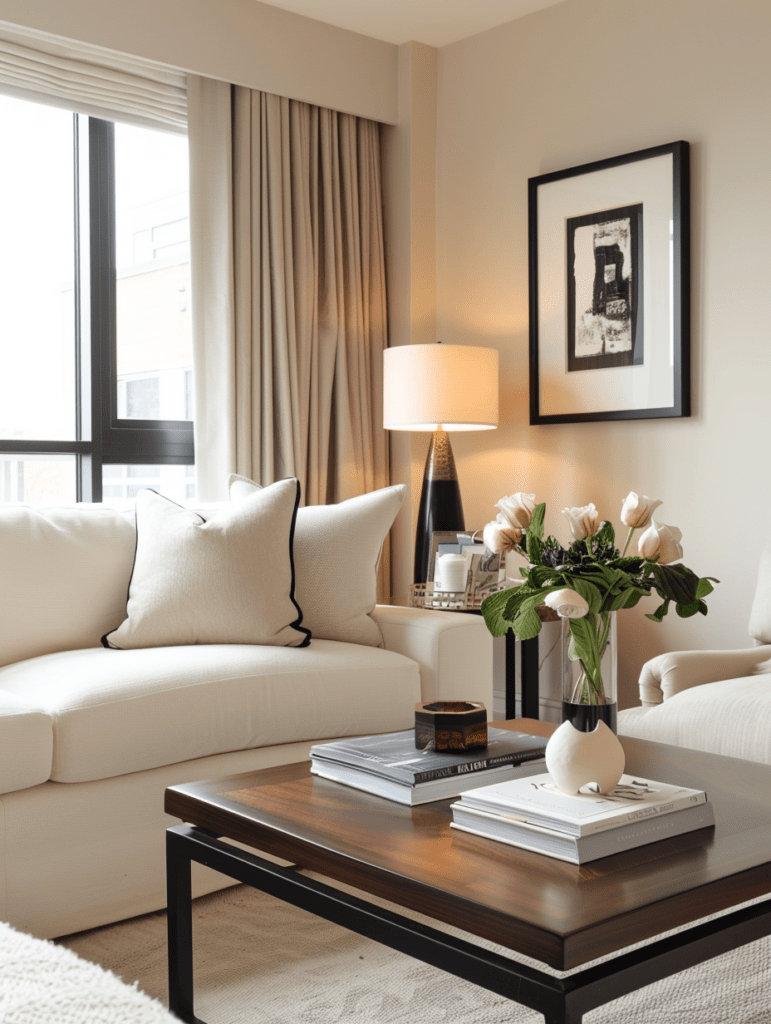
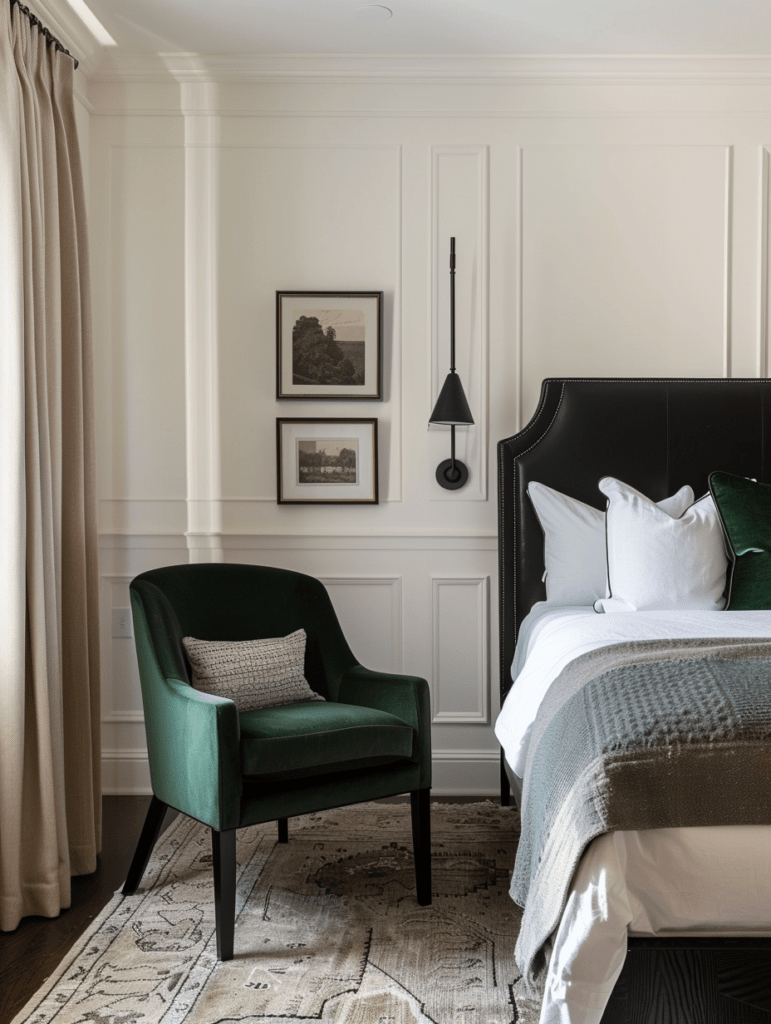
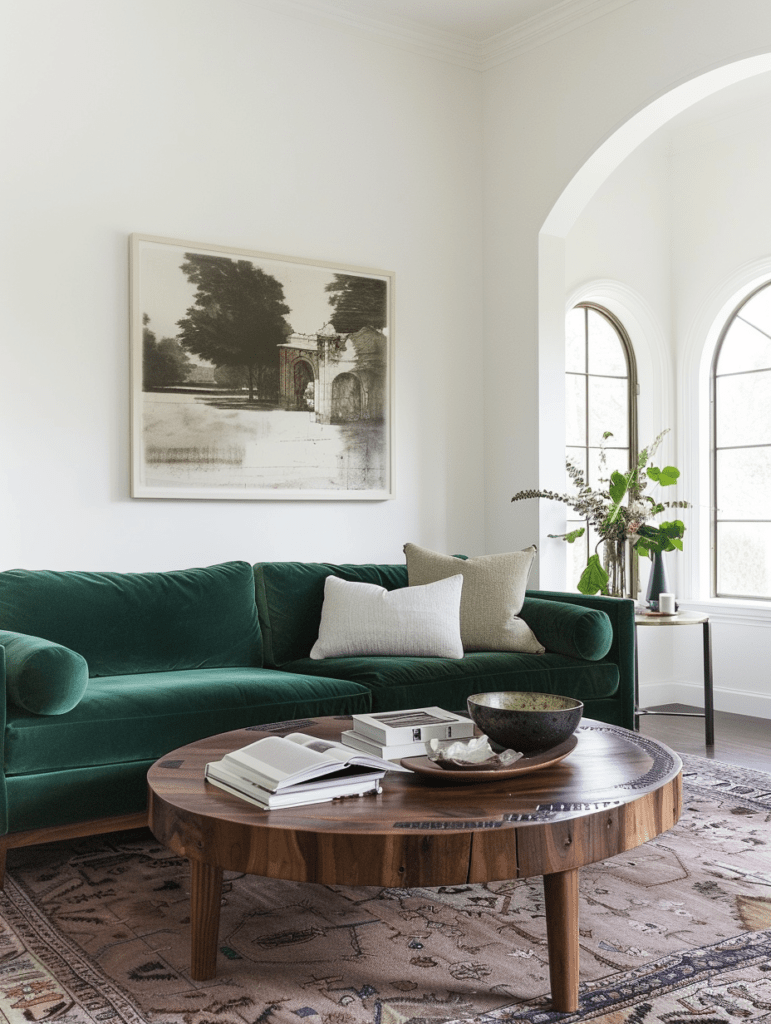
Small does not mean pale. In fact, contrast often makes compact rooms feel more luxurious. Deep walnut furniture, black-framed artwork, or a dark accent chair* add gravity.
These elements anchor the space and prevent it from feeling temporary or unfinished.
4. Layer the Lighting
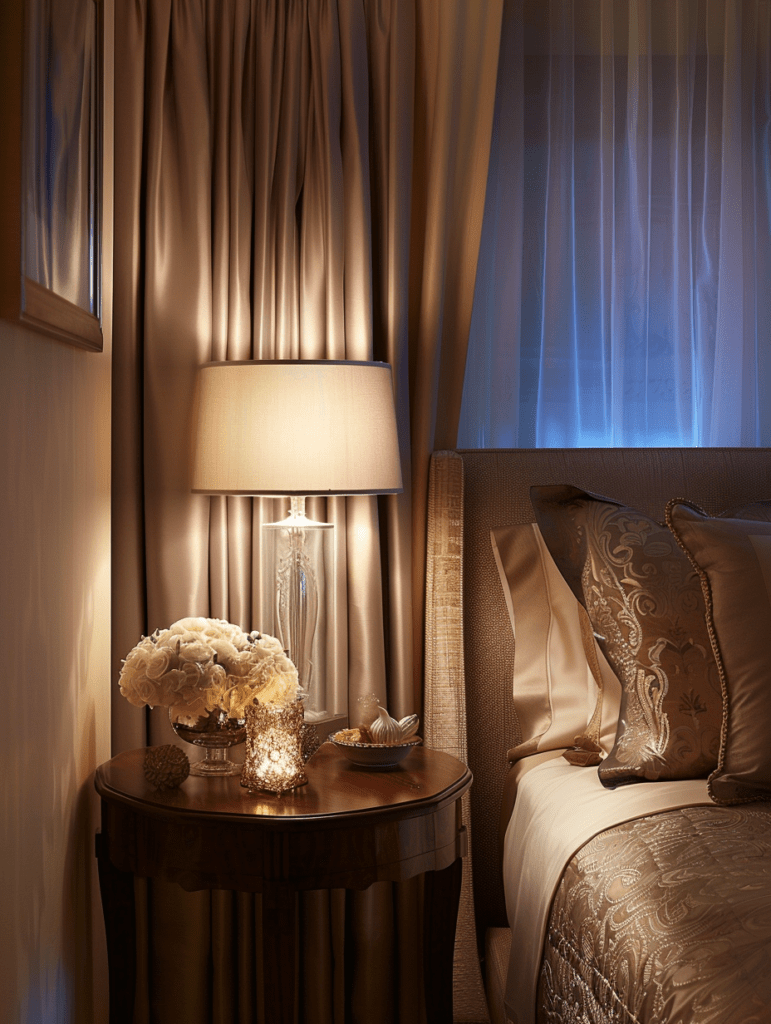
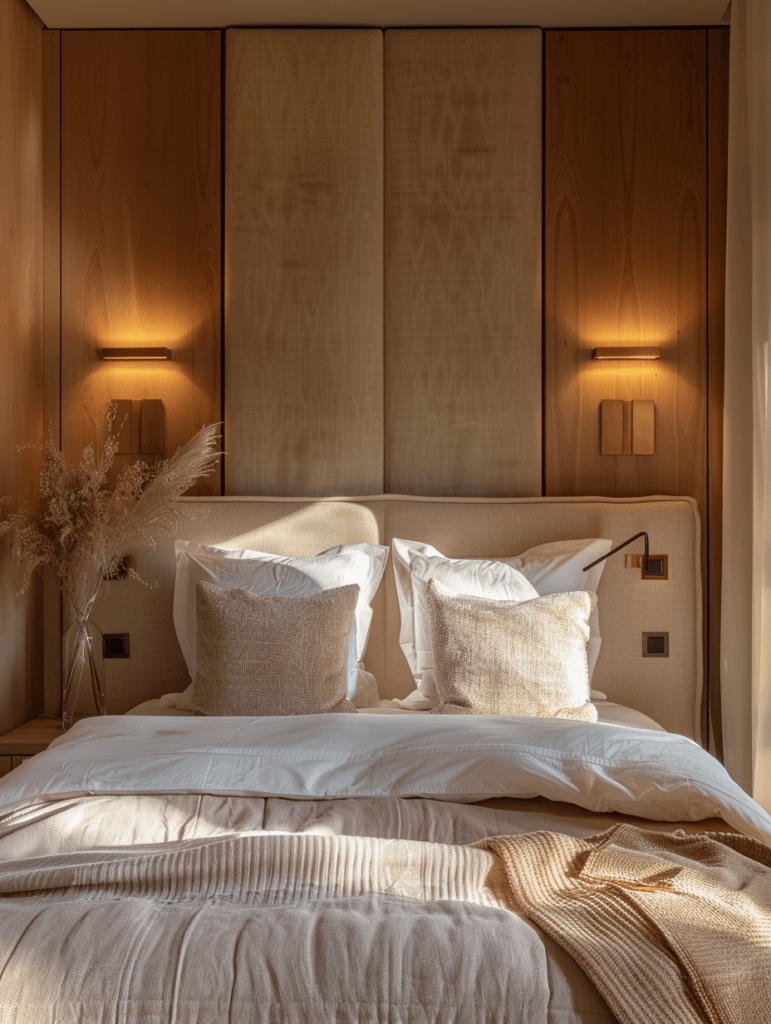
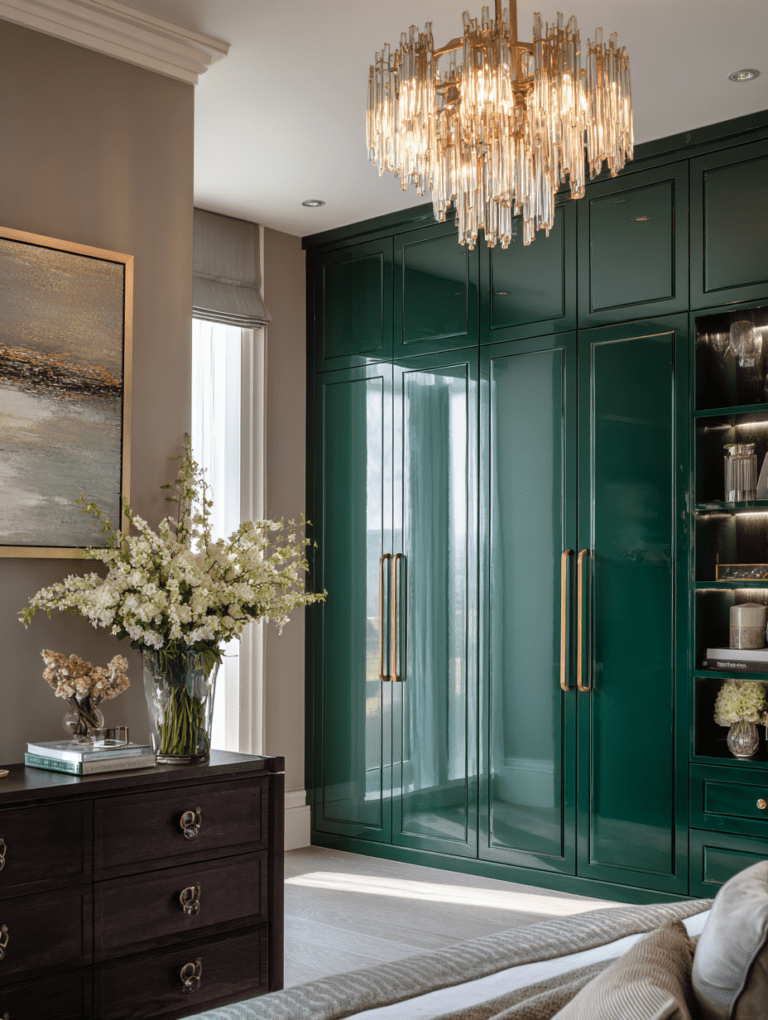
Overhead lighting alone rarely feels refined. A combination of sources – table lamps*, wall sconces*, a sculptural pendant – creates dimension.
Warm light softens edges and enhances textures. The room should feel considered at night, not only during the day.
5. Choose Wood with Character
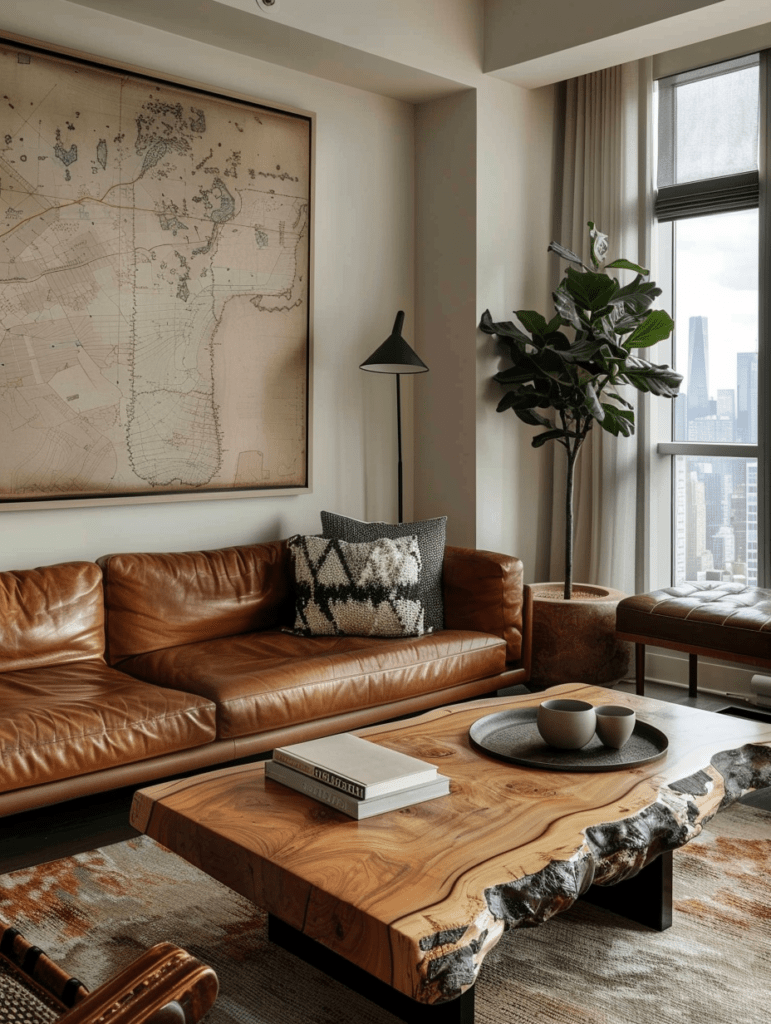
Wood adds credibility to a room. Oak, walnut, or vintage pieces with visible grain bring warmth and permanence. Matte finishes feel more elevated than high gloss.
Even one substantial wooden piece can define the tone of the entire space.

6. Refine the Color Palette
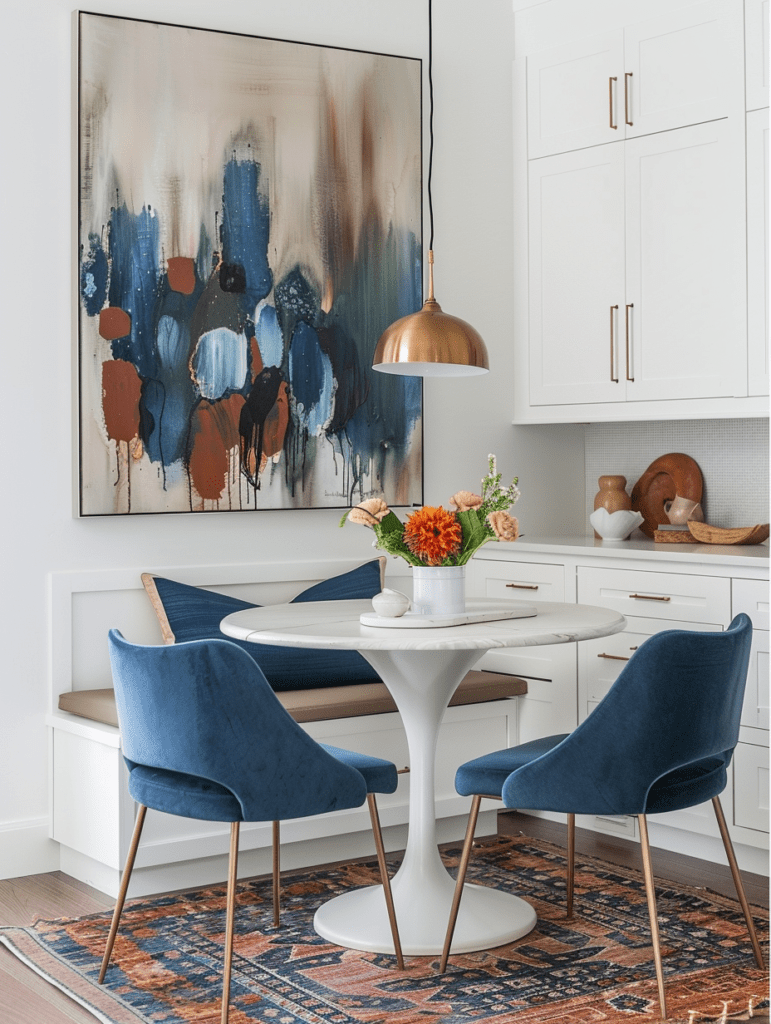
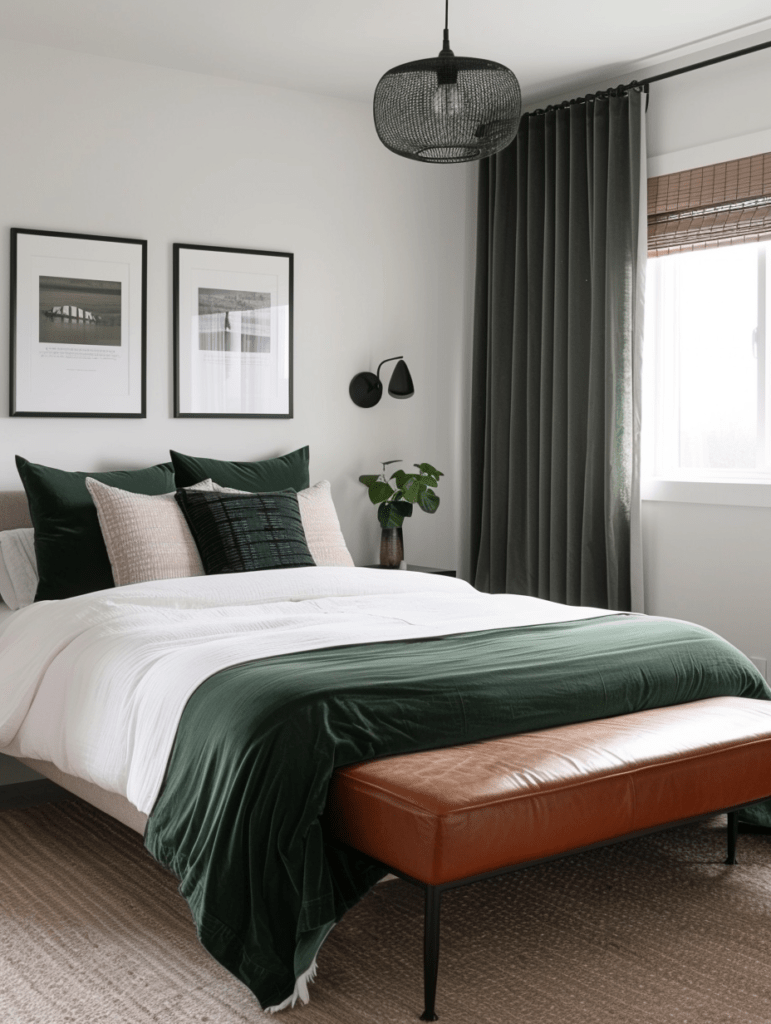
A tight color story creates cohesion. Two or three tones, repeated thoughtfully, make a room feel sorted rather than assembled. Rich shades – burgundy, petrol blue, warm caramel – can work beautifully in small spaces when balanced with neutrals.
Consistency is what creates polish.

7. Edit and Remove
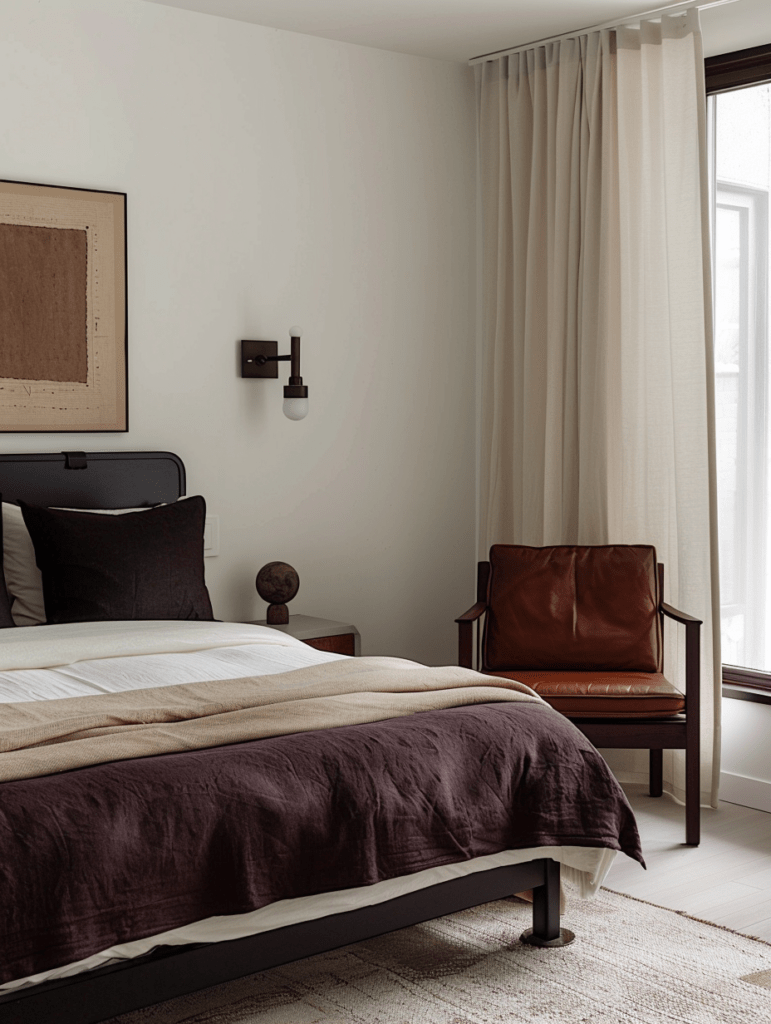
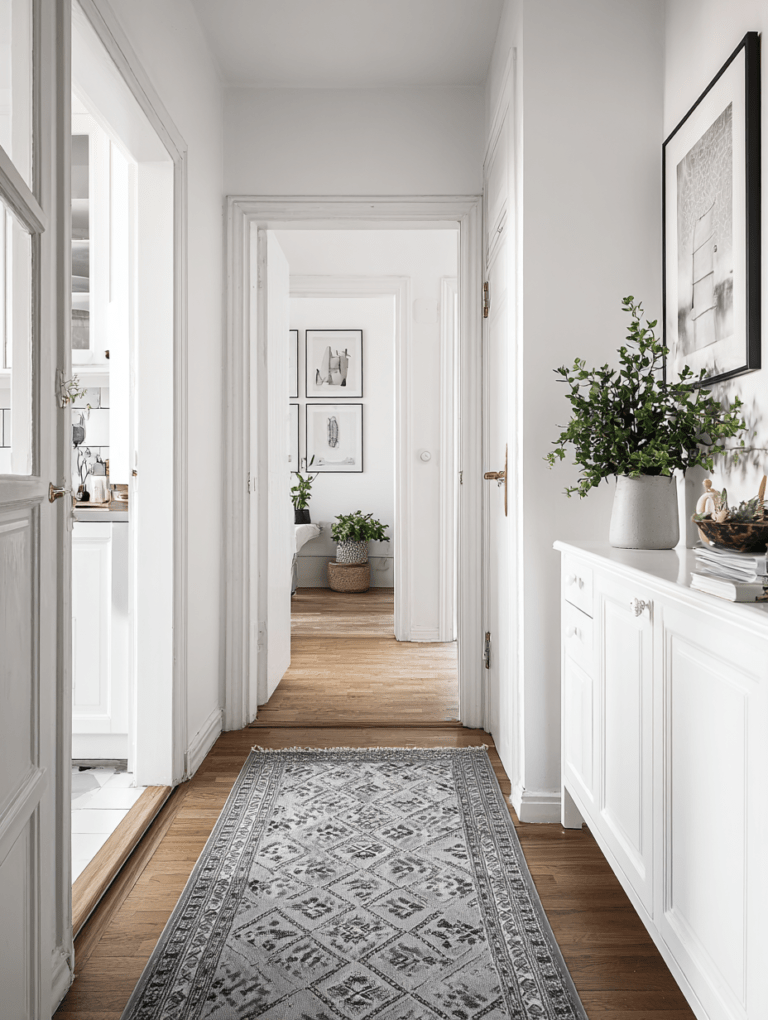
Luxury is tied to restraint. In a small room especially, negative space is powerful. Allow furniture to breathe. Remove pieces that don’t contribute to the overall direction.
When every object feels chosen, the room feels expensive regardless of its size.