Blue is one of those colors many people love – but hesitate to fully commit to. And for good reason. An all-blue living room is still not a mainstream design trend and can quickly feel heavy or outdated.
However, when used as an accent, blue brings calm, depth, and sophistication to a space. The key is balance. Below are stylish, editor-approved ways to introduce blue accents into your living room without overwhelming it.
Start with a Neutral Base
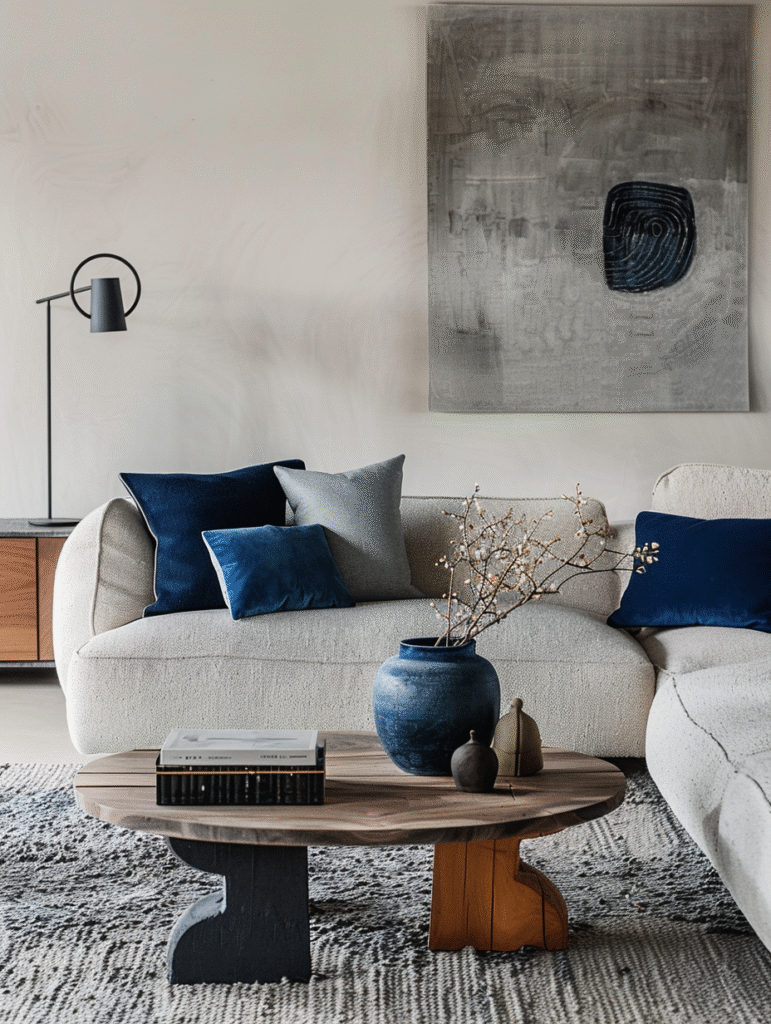
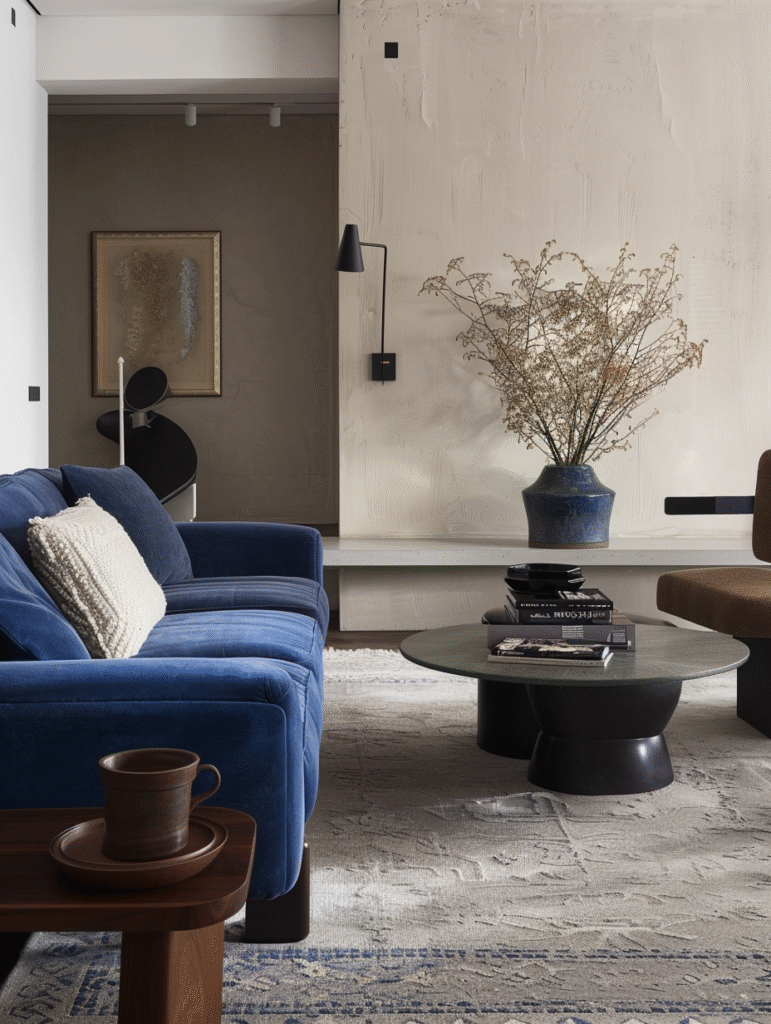
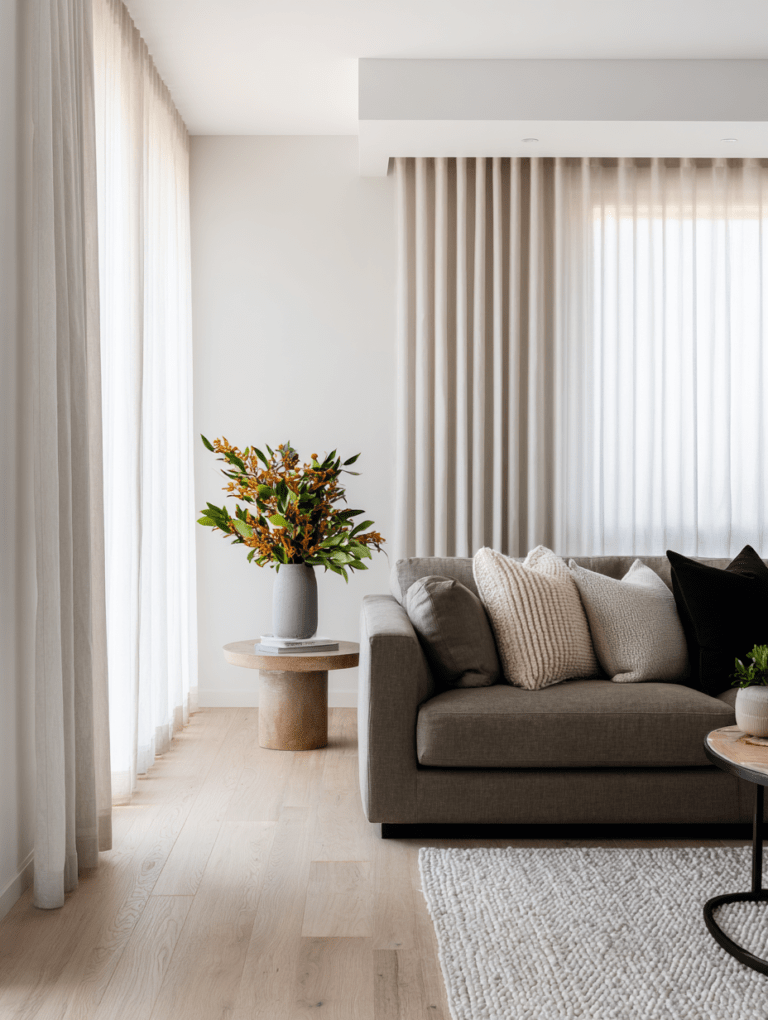
Blue shines most when paired with a neutral foundation. Beige, white, warm wood tones, and even soft gray allow blue accents to stand out while keeping the overall look calm. These base colors soften blue’s coolness and make it feel more livable and timeless.
Even darker interiors, such as black or deep charcoal spaces, can benefit from blue accents − though this approach is more personal and works best with restraint.
Make a Blue Sofa the Focal Point
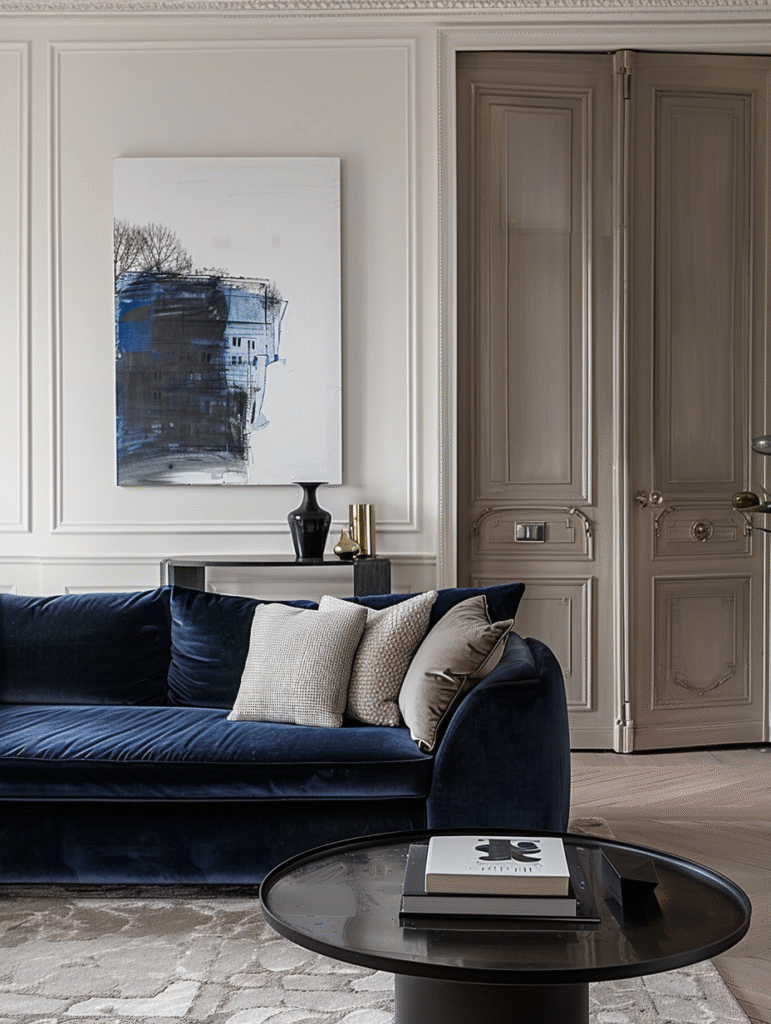
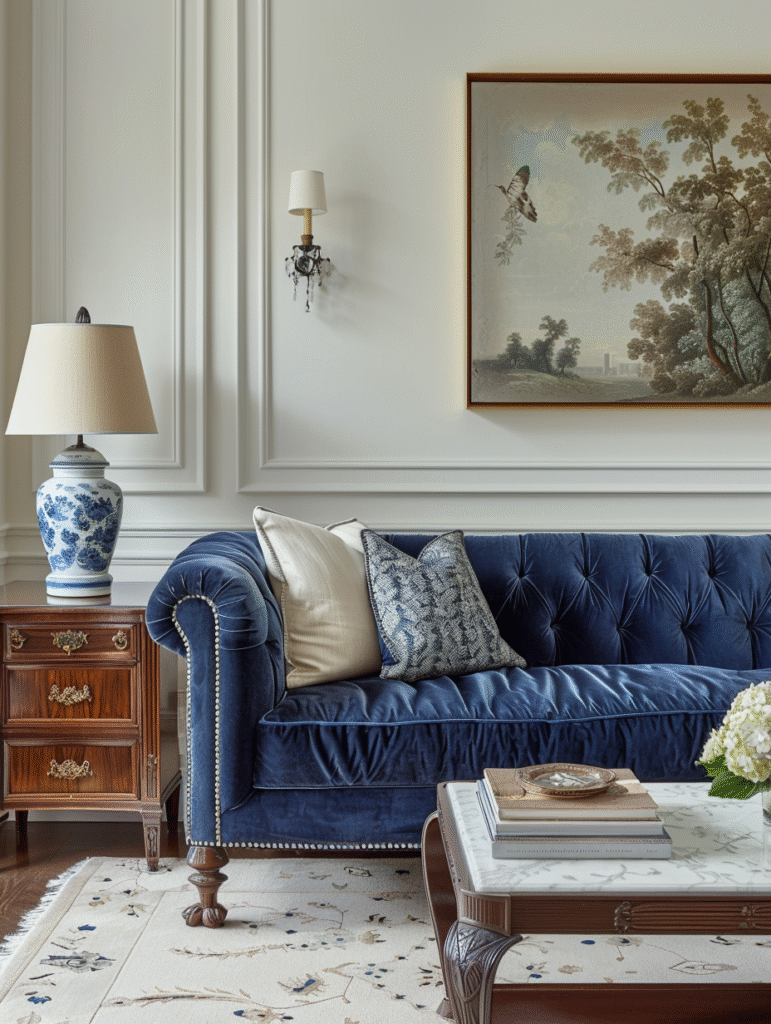
A blue sofa is one of the strongest ways to introduce blue as a statement element. Navy, steel blue, or muted royal blue work particularly well as a focal point without feeling overpowering. When the sofa carries the color, the rest of the room should remain relatively quiet.
Editor’s choice: Opt for a blue sofa with a clean, straight silhouette* and style it with a neutral color palette.
Use Rugs with Blue Elements
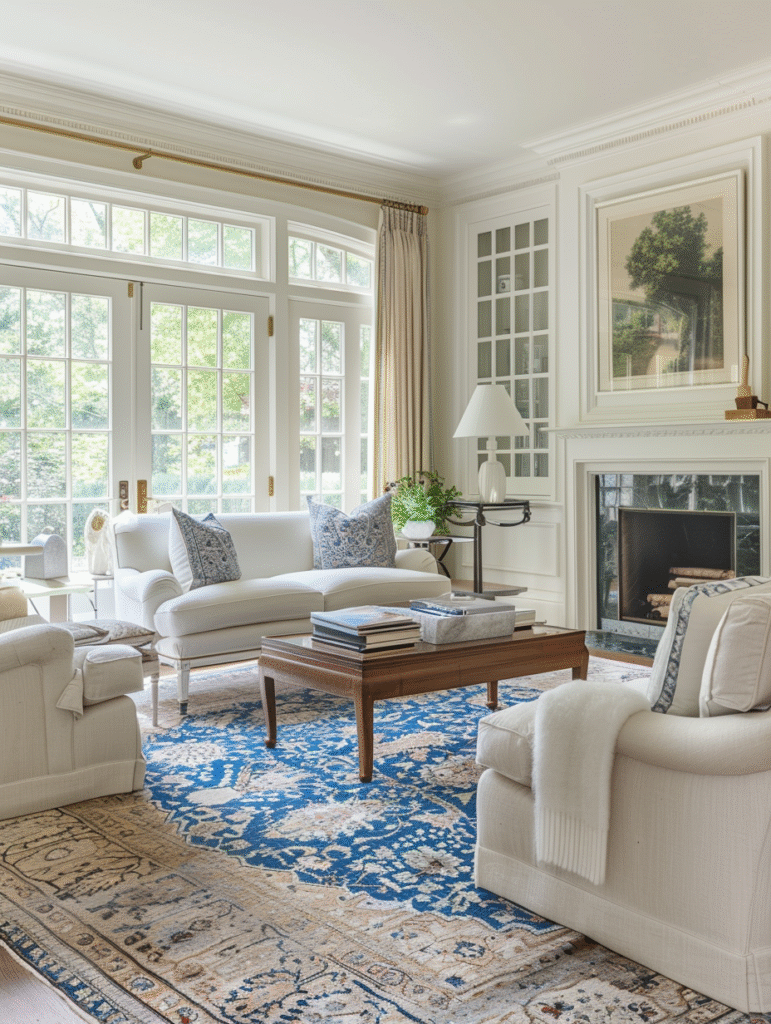
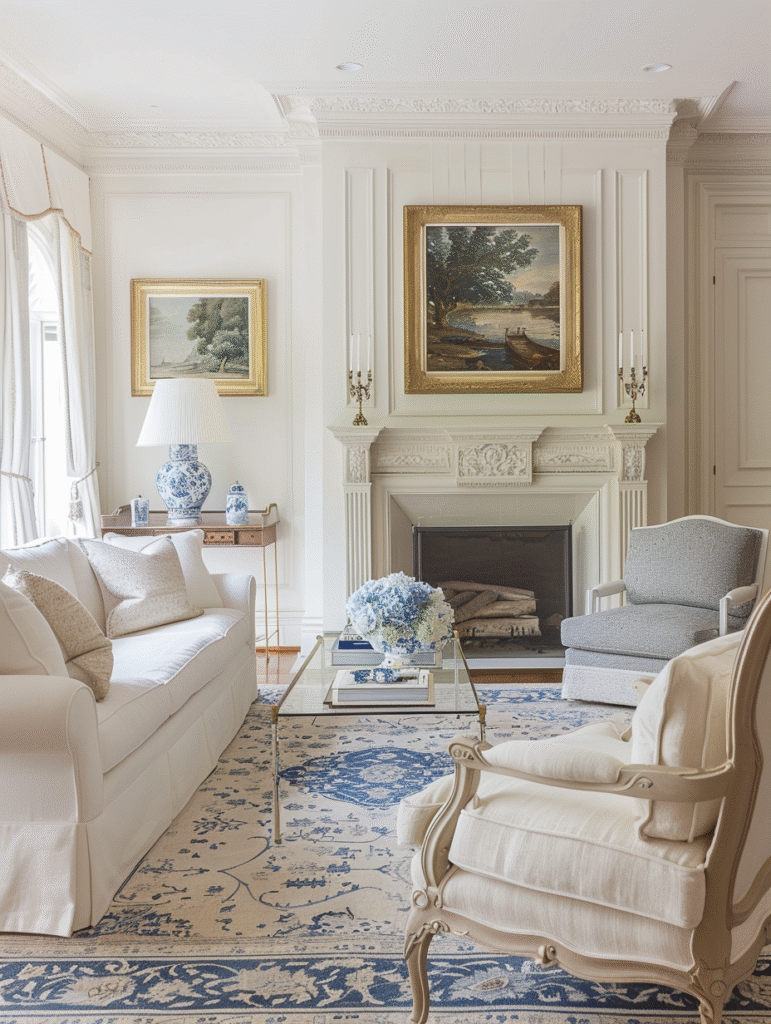
Rugs are an ideal way to bring blue into a living room without committing to large furniture pieces. Modern rugs with soft blue accents* work beautifully in contemporary interiors, while classic hand-knotted Nain rugs* in blue and white are timeless for more traditional spaces.
Paint a Single Wall in Light Blue
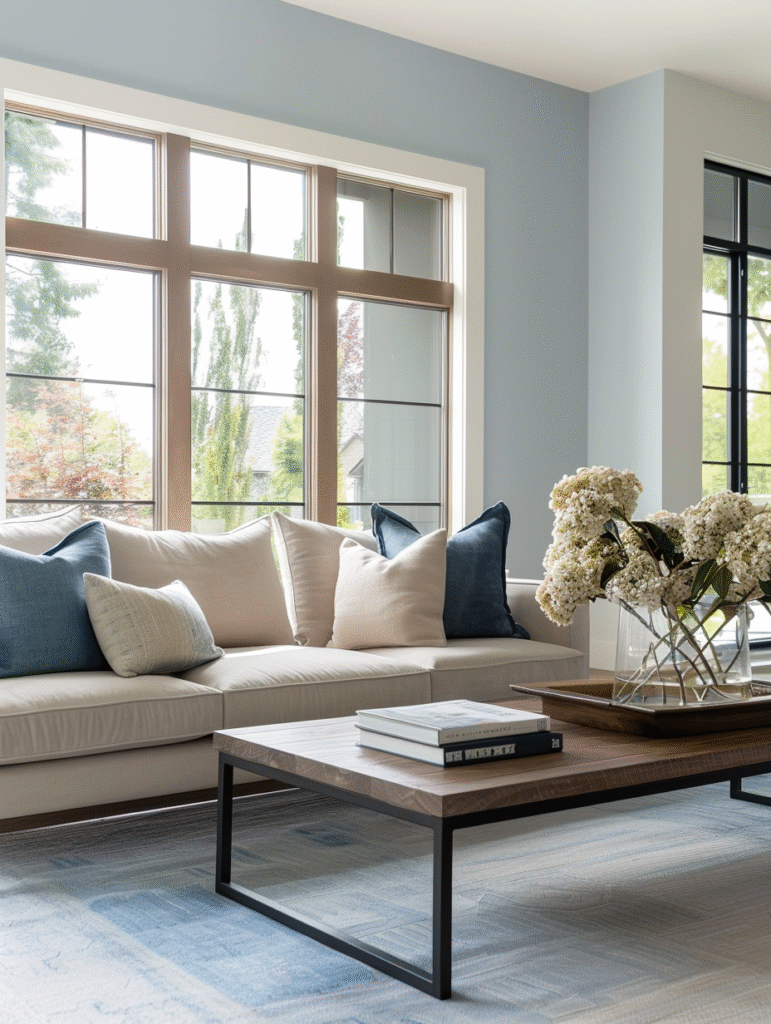
If you want to introduce blue on a larger scale, a light blue accent wall can create a calm, airy atmosphere. The key is to limit it to one wall rather than the entire room. Soft, slightly muted blues work best, adding freshness without overpowering the space.
Editor’s choice: Try Seablue wall paint* for a calm, light-blue look. It also works beautifully on interior walls to create a cohesive space with multiple accents in the same blue tone.
Style with Blue Decorative Accents
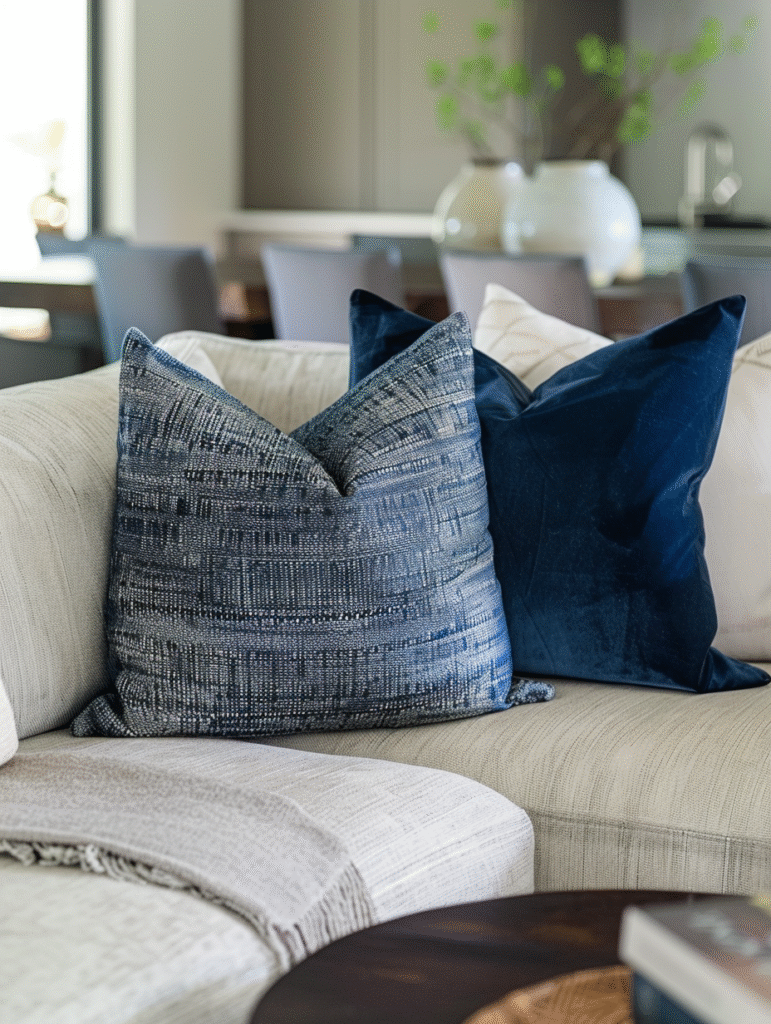
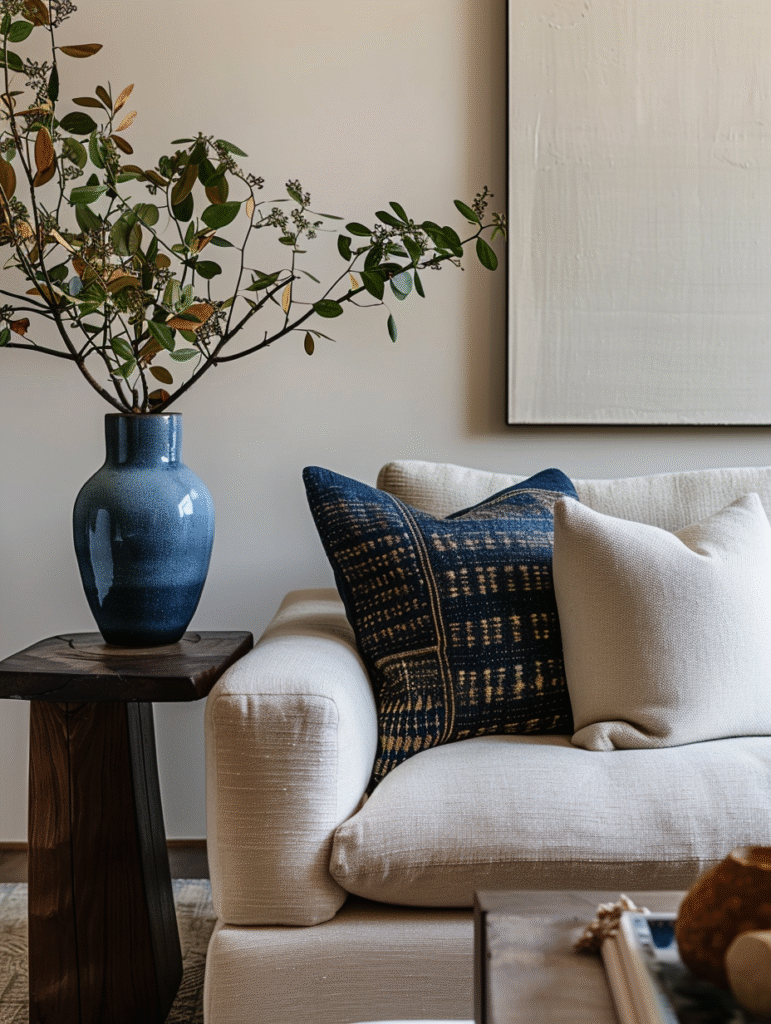
Smaller decorative elements are perfect for testing blue in your living room. Blue vases* with fresh flowers, sculptural objects, ceramic bowls, or curated cushion sets can instantly elevate the space. These accents are easy to swap out and allow flexibility as trends change.
Editor’s favorite: Try matching blue throw pillow covers* to create subtle yet beautiful accents.
When styling with blue decor, repetition matters. A few thoughtfully placed pieces create cohesion without clutter.
Stick to One Blue Tone for a Cohesive Look
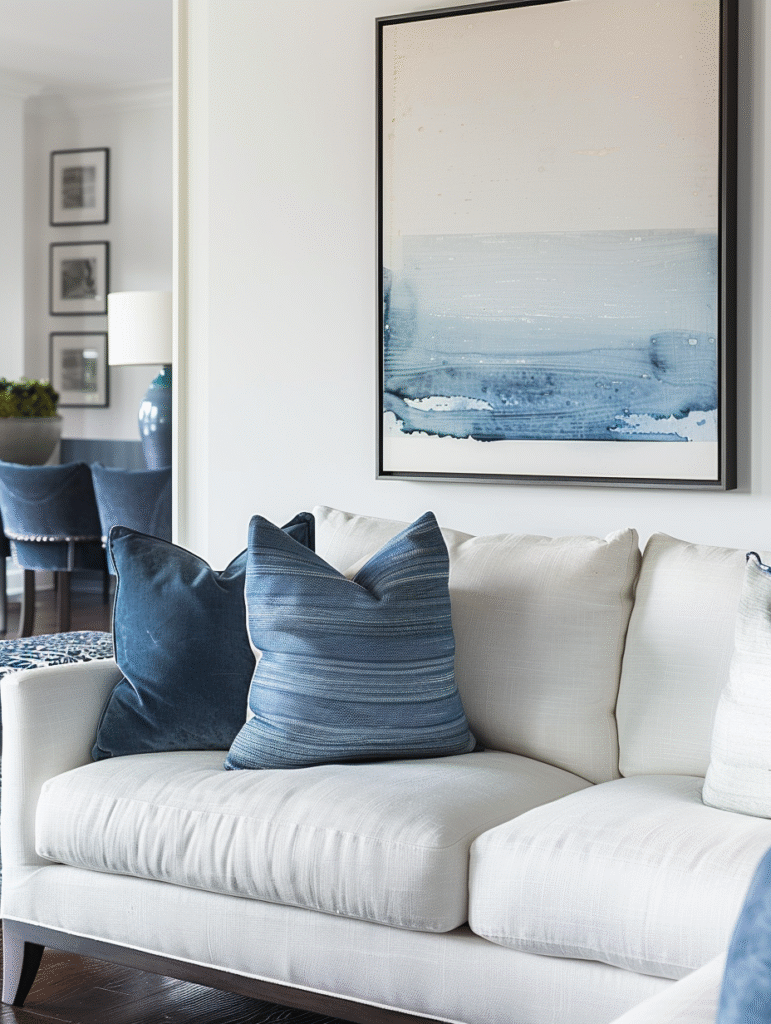
One of the most common mistakes when decorating with blue is mixing too many shades. To maintain a clean and intentional look, choose one dominant blue tone − such as pastel blue or navy and repeat it across the room.
One exception: If you have a blue focal point, such as a navy sofa, you can use lighter blue shades as accents to balance the look.
Layer Pastel Accents Around a Navy Statement
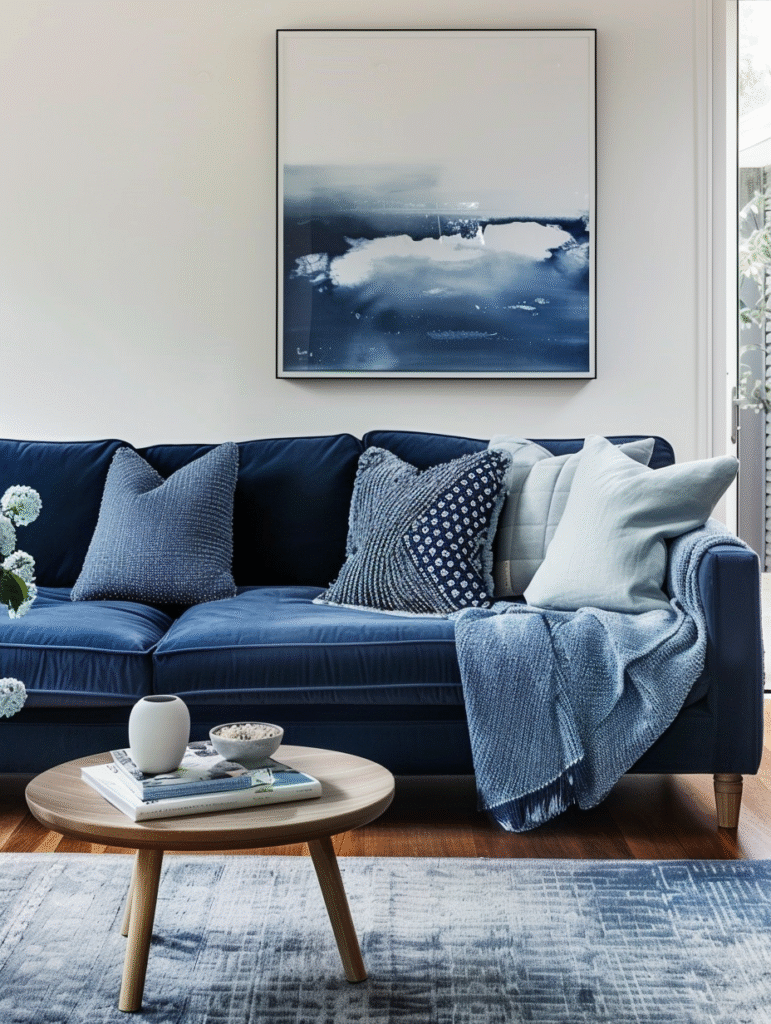
If blue is a dominant feature in the room, such as a navy sofa or large artwork, softer blue accents can balance the look beautifully. Pastel blue cushions, throws, or blue sculptures* help soften the depth of navy and make the space feel more approachable.
This layered approach adds dimension while keeping the color story consistent.
Blue as an Accent, Not a Theme
Blue is best used with intention. As an accent color, it adds calm, depth, and elegance without dominating the room.
Whether through a statement sofa, a classic rug, or carefully chosen decor pieces, blue works when it supports the space rather than defining it. Our editors’ choices show exactly how to achieve this look.