A home can be beautiful, stylish, and full of great pieces − and still feel oddly stressful. More often than not, the problem isn’t what you own, but how everything comes together.
If your space feels visually loud or restless, one (or more) of these common interior mistakes might be the reason. Here is how to fix them.
1. Too Many Focal Points in One Room
When everything wants attention, nothing truly stands out. Read that again.
Multiple bold artworks, statement furniture pieces, patterns, and textures competing at once can overwhelm the eye and make a room feel chaotic.
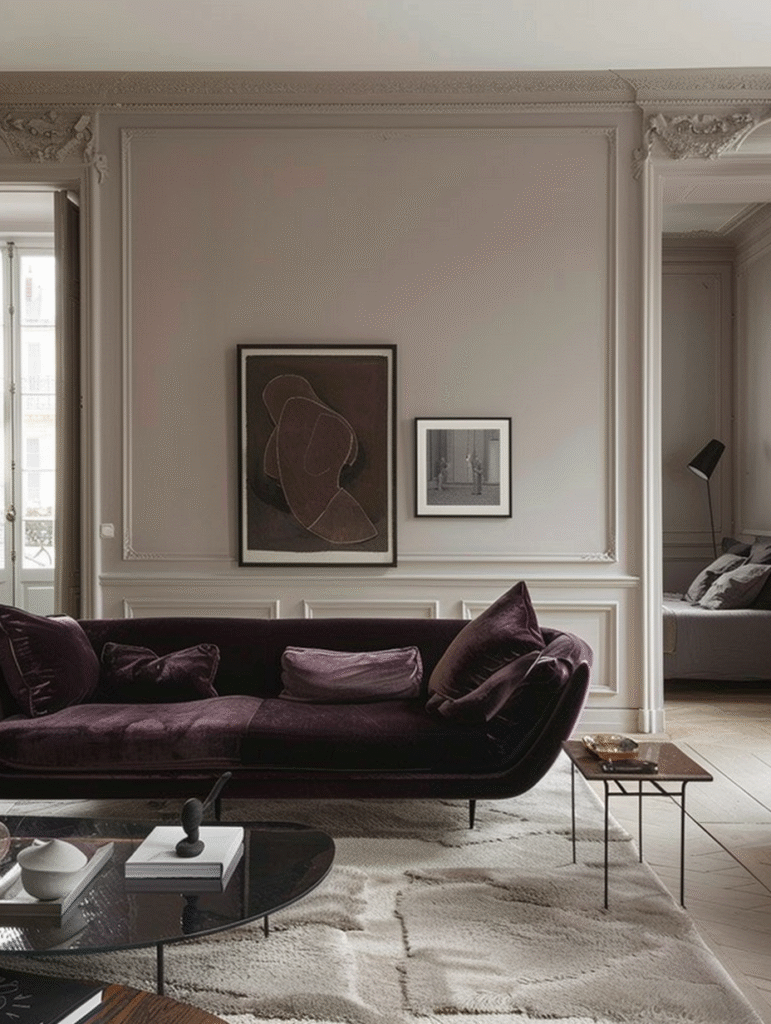
How to fix it
Choose one main focal point per room − a sofa, an artwork, a fireplace, a statement light. Everything else should support it, not compete with it. Think hierarchy, not equality.
2. Overdecorating Every Surface
Shelves, side tables, consoles, windowsills − when every surface is filled, the room has no place to rest. But busy doesn’t always mean cluttered. Even minimal “pretty things” can create noise.
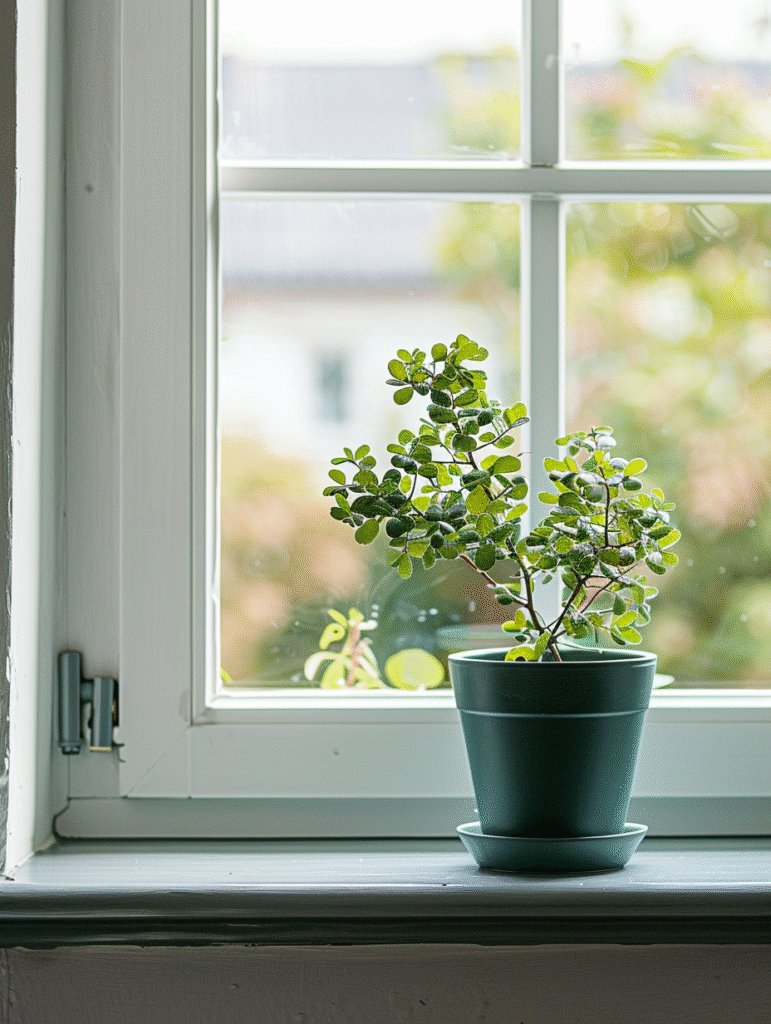
How to fix it
Embrace intentional empty space. Leave some surfaces bare. Style in groups, not everywhere. A room feels calmer when not every inch is trying to say something.
No products found.
3. Too Many Colors Without a Clear Base
Color is powerful − but without a foundation, it can quickly turn into visual chaos. When nothing repeats and every shade is different, the room feels fragmented.
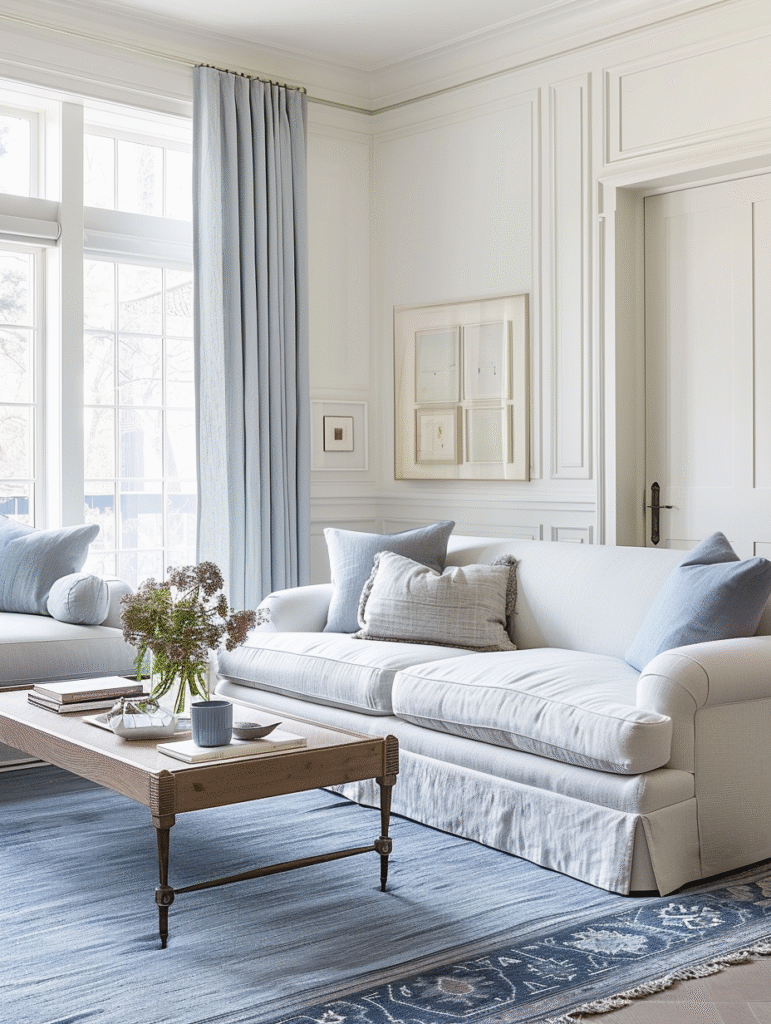
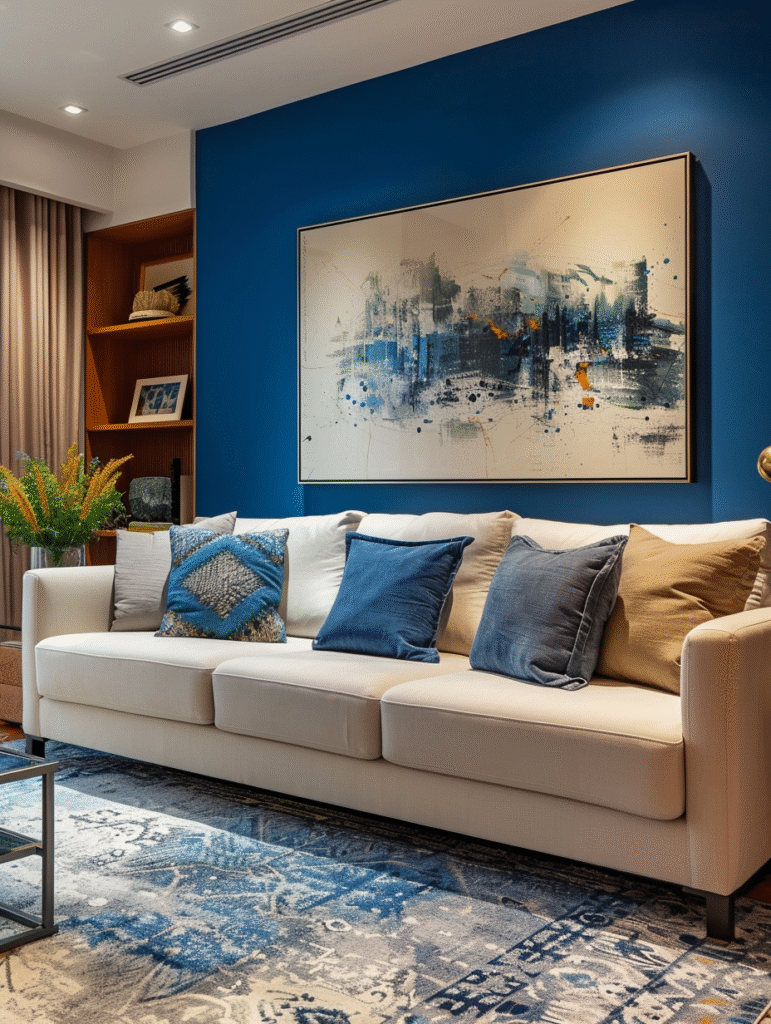
How to fix it
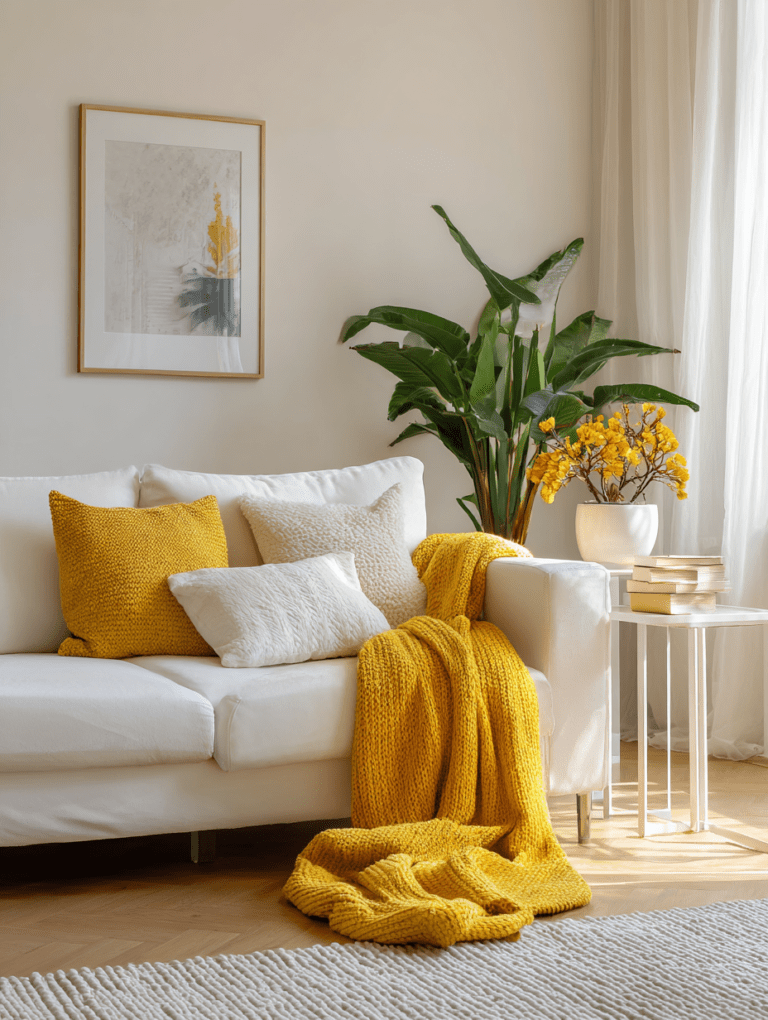
Create a tight color palette:
- 1 main neutral
- 1–2 supporting tones
- 1 accent color
Repeat these colors subtly throughout the room to create flow and cohesion.

4. Mismatched Styles
Mixing styles can look amazing – or messy. The issue isn’t mixing, it’s mixing without a plan.
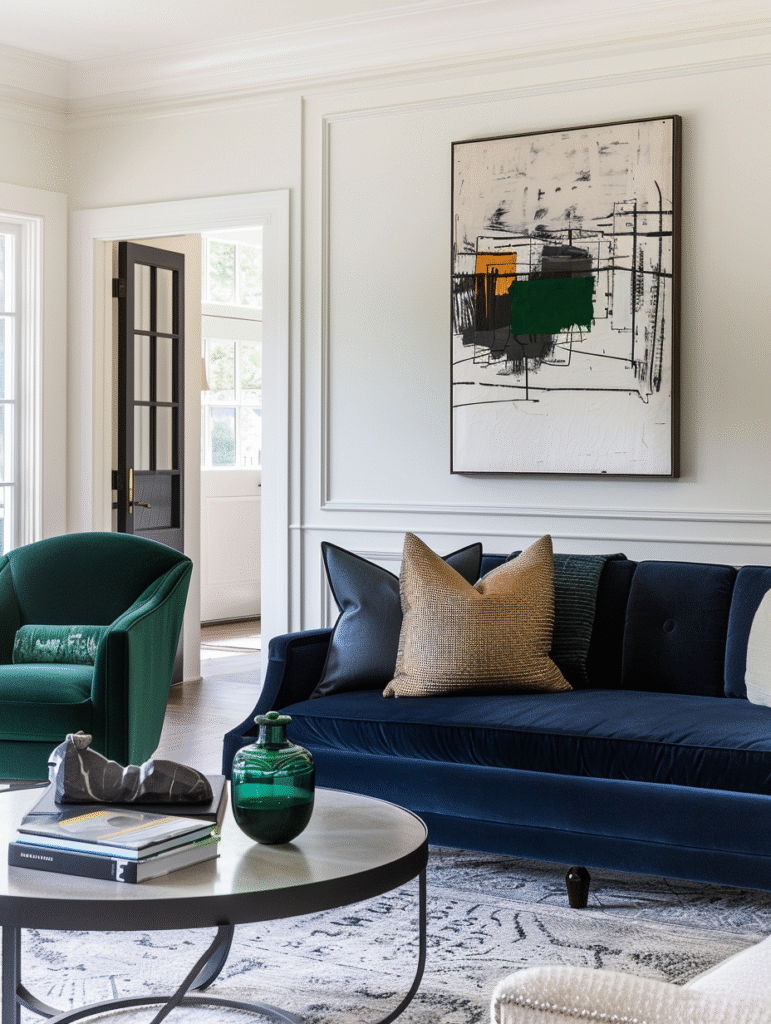
How to fix it
Choose one dominant style (modern, classic, minimal, rustic) and let others play a supporting role. Repetition in materials, shapes, or colors will tie everything together.

5. Furniture That’s Too Small (or Too Much of It)
Too many small furniture pieces create visual clutter and break up the space. Instead of feeling layered, the room feels chopped up.
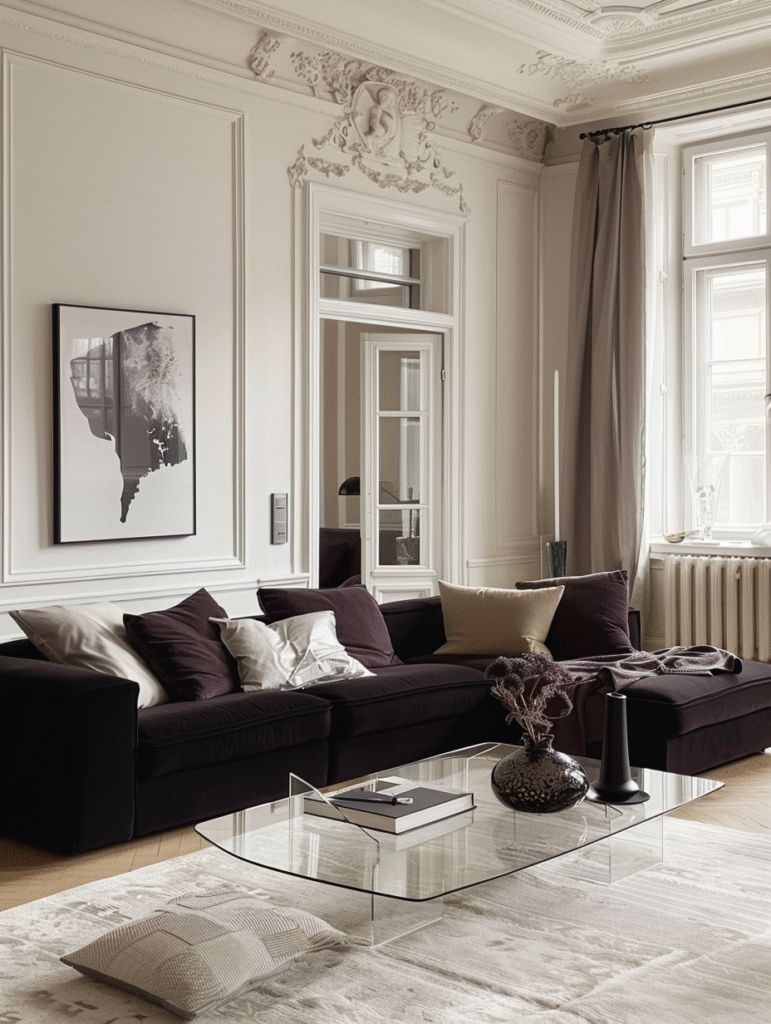
How to fix it
Opt for fewer, well-scaled pieces. A larger sofa or a single strong coffee table often looks calmer than several small ones. Let furniture breathe.
6. No Visual Breaks or Negative Space
A room without pauses feels exhausting – even if it’s stylish.
Your eyes need moments of calm to reset.
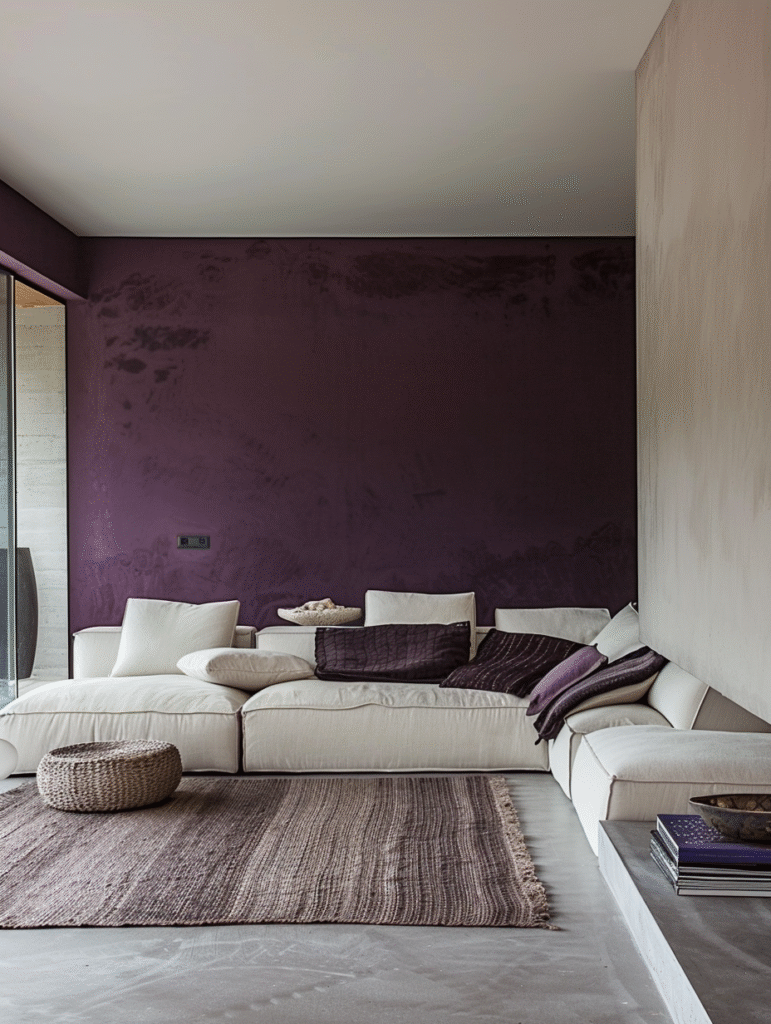
How to fix it:
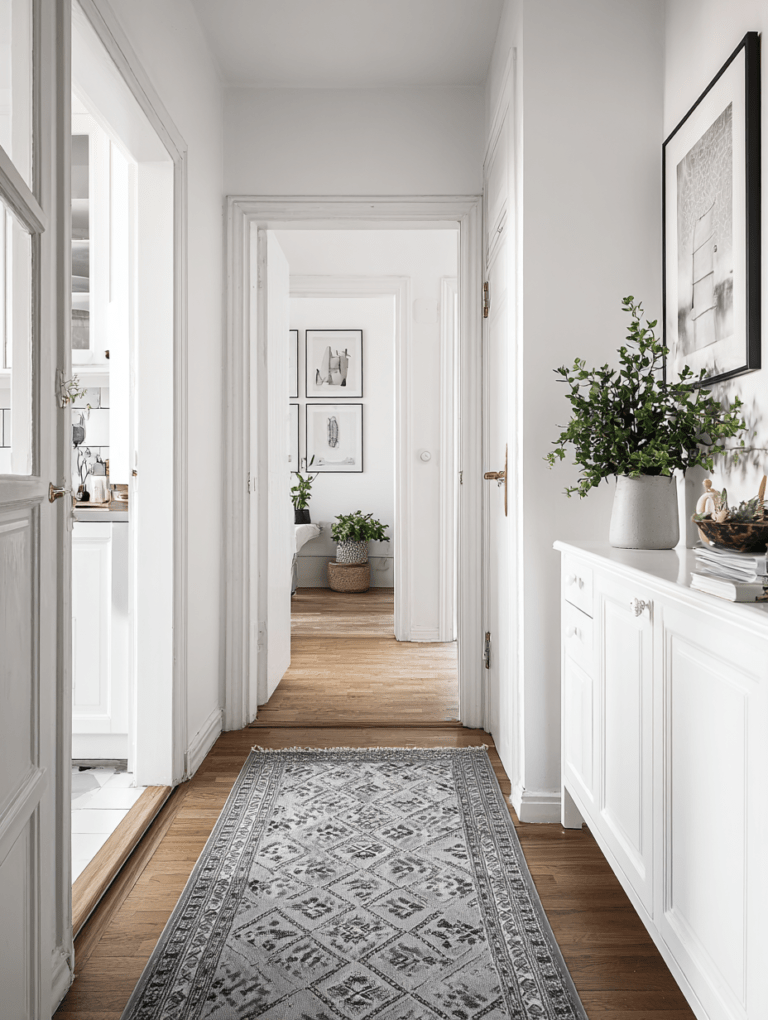
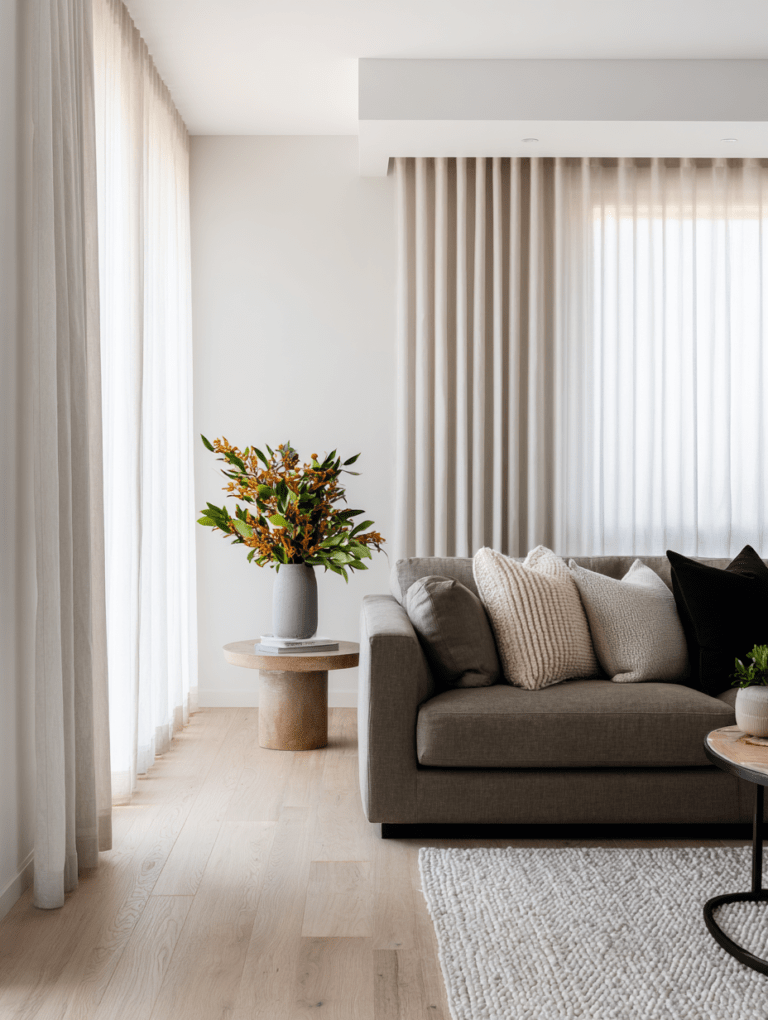
So simple yet so hard for some: Introduce visual breaks.
- Plain walls (I said it)
- Solid-colored rugs
- Simple curtains
- Minimal zones without décor
The kind of calm areas make styled areas look even better.

7. Too Many “Trendy” Pieces at Once
Trends are fun − but stacking too many creates a fast-aging, busy look. Bouclé, arches, checkerboard, chrome, bold stripes − all together? It’s a lot.
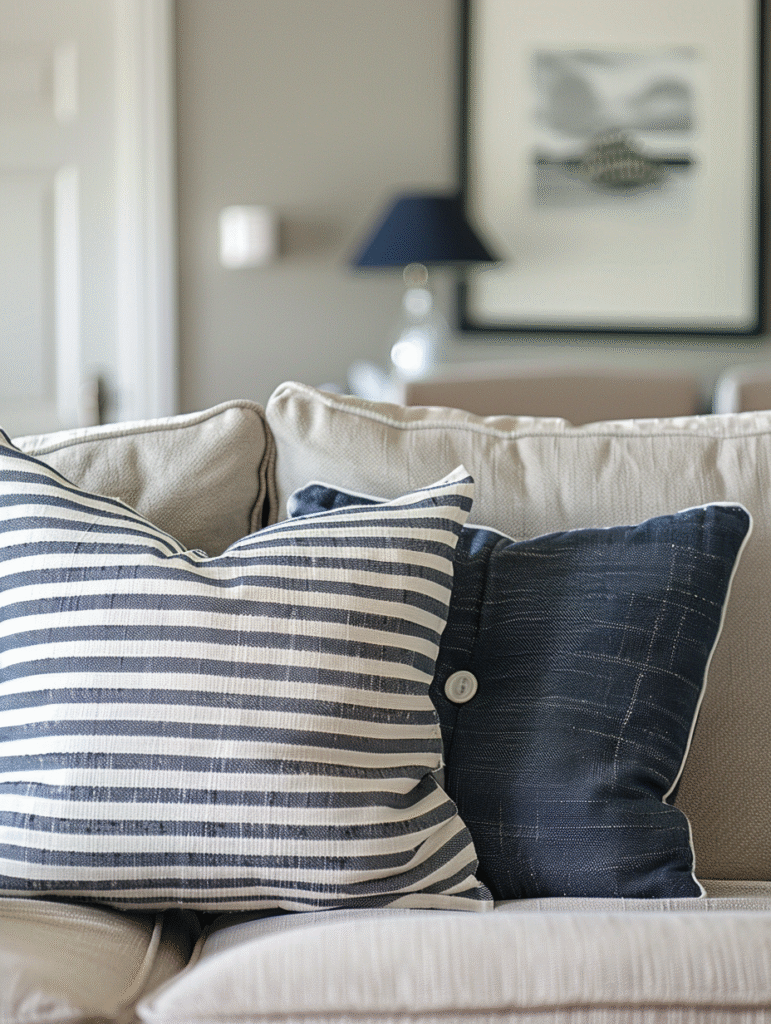
How to fix it
Use trends sparingly. Anchor your space with timeless basics and let trends appear in smaller, easily changeable elements like cushions, vases, or art.
The Takeaway
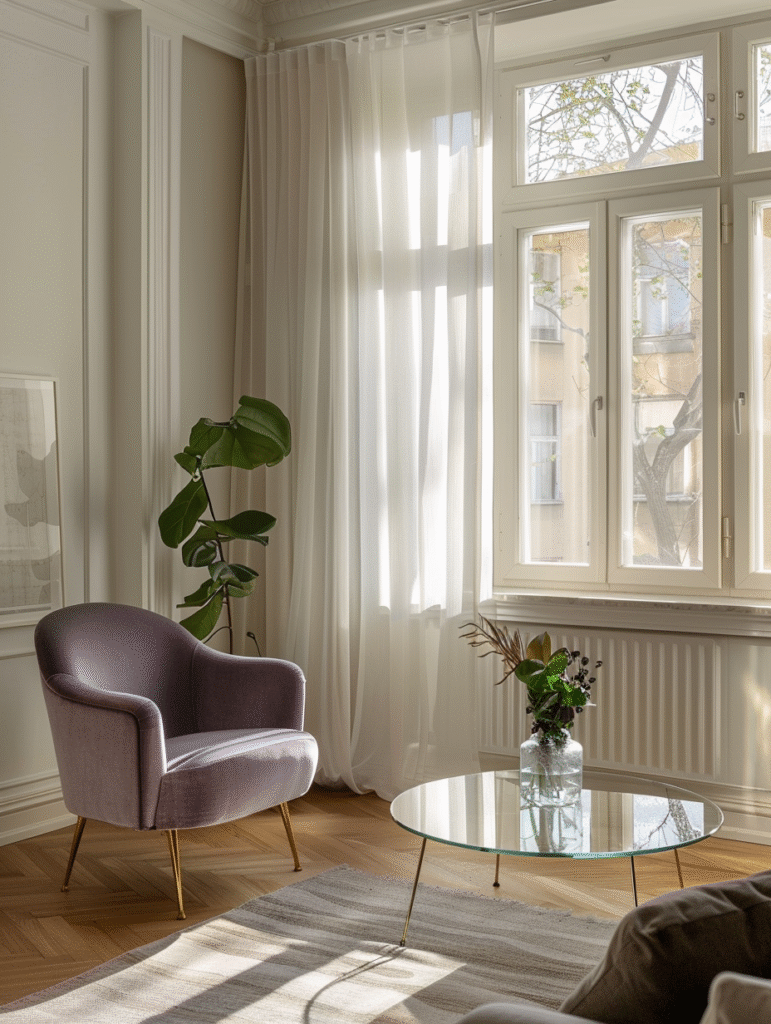
A calm home isn’t empty − it’s edited.
When you remove visual noise, your favorite pieces finally get the attention they deserve. Less chaos, more intention. Less busy, more beautiful.
Sometimes, the most powerful design move is simply knowing when to stop.