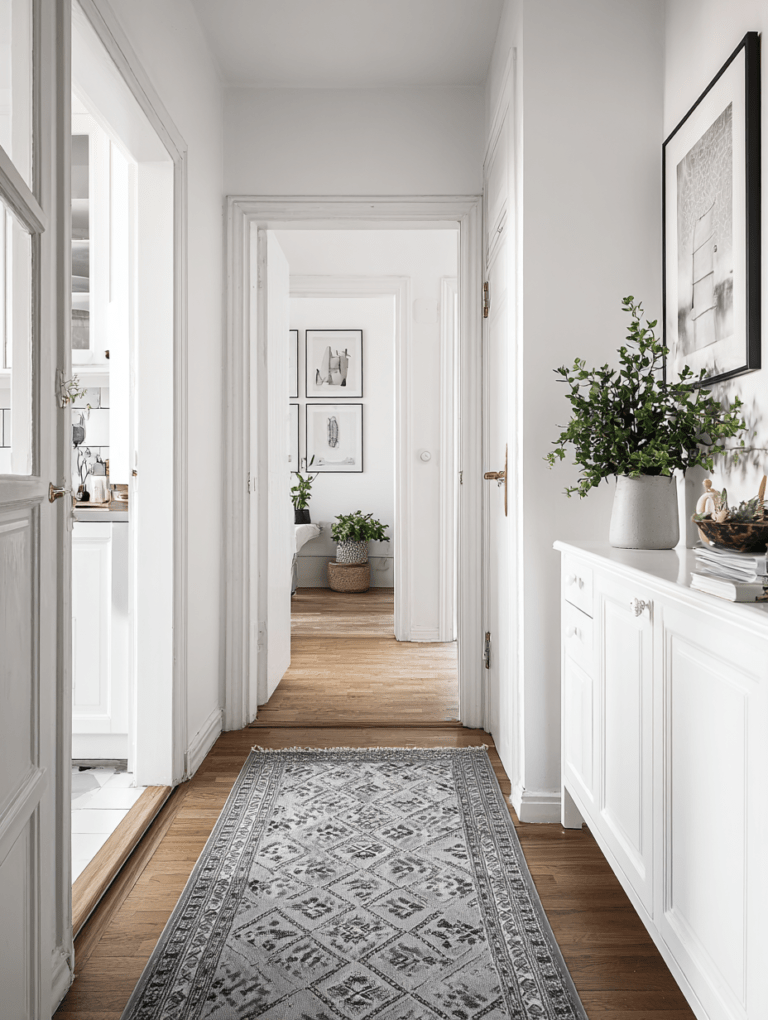
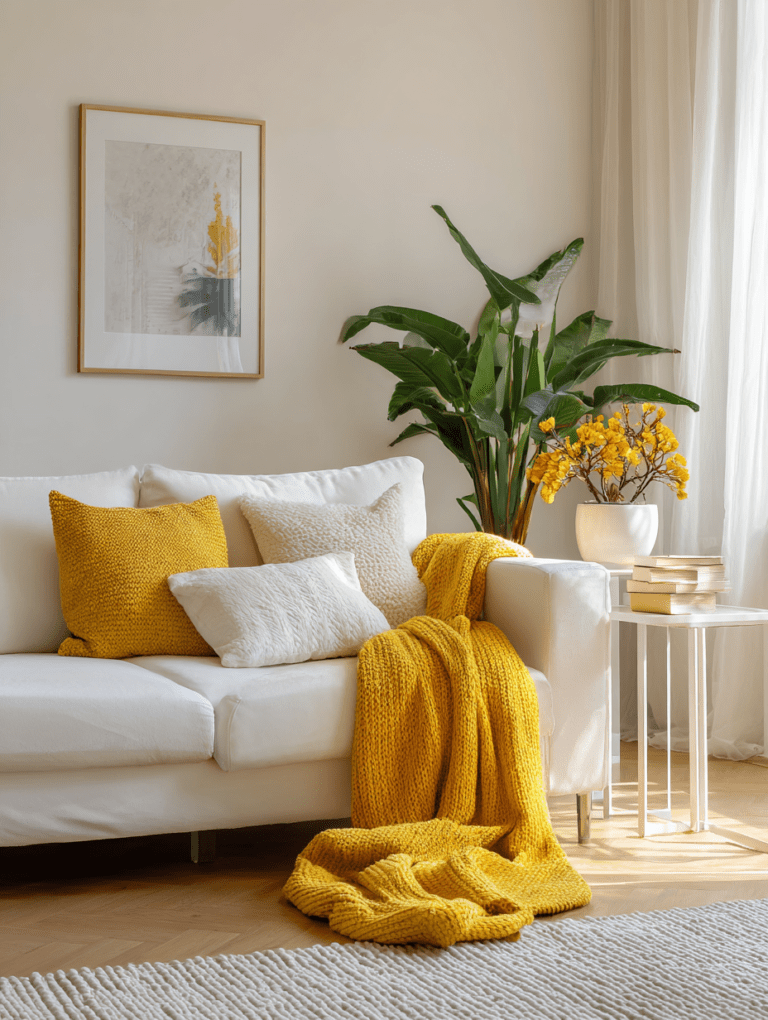
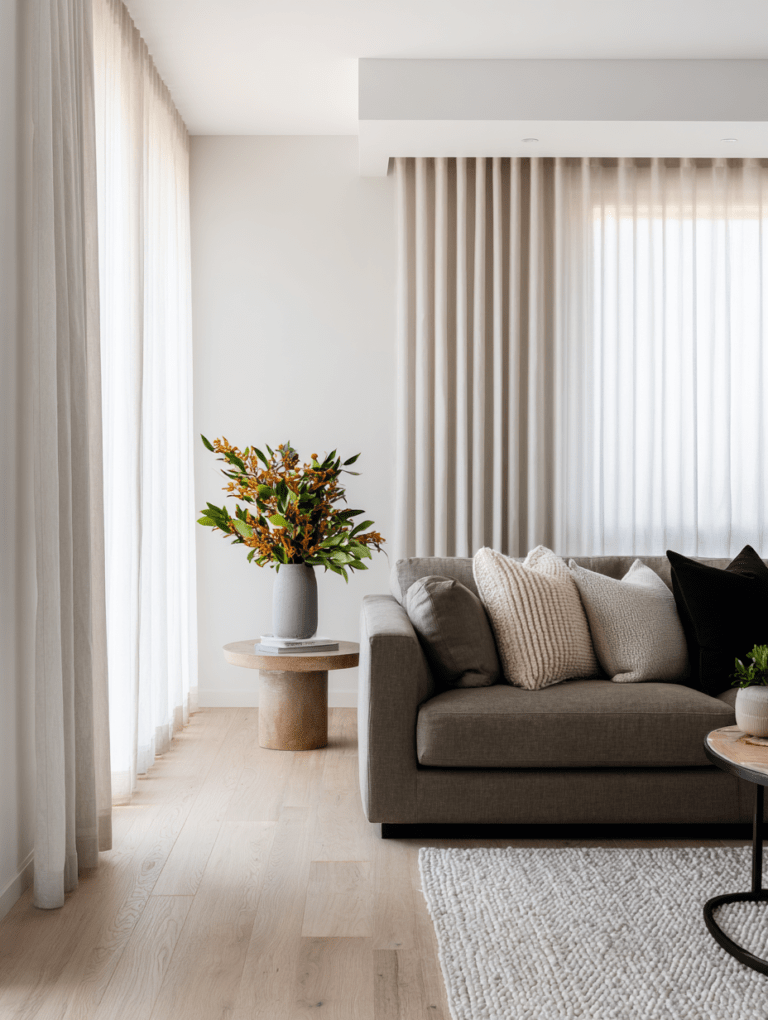
Scroll through enough interiors online and something becomes obvious: many living rooms start to look the same. The same layouts. The same decor sets. The same three framed prints above the sofa.
A unique living room rarely comes from copying inspiration images. It comes from decisions that feel personal. From choosing pieces you genuinely like instead of what currently circulates online. Trends move fast, but taste tends to stay.
There are, of course, a few basics every living room needs. A place to sit, good lighting, a surface for everyday life. But beyond that, individuality starts with the choices you make around those essentials. Here’s how we approach it.
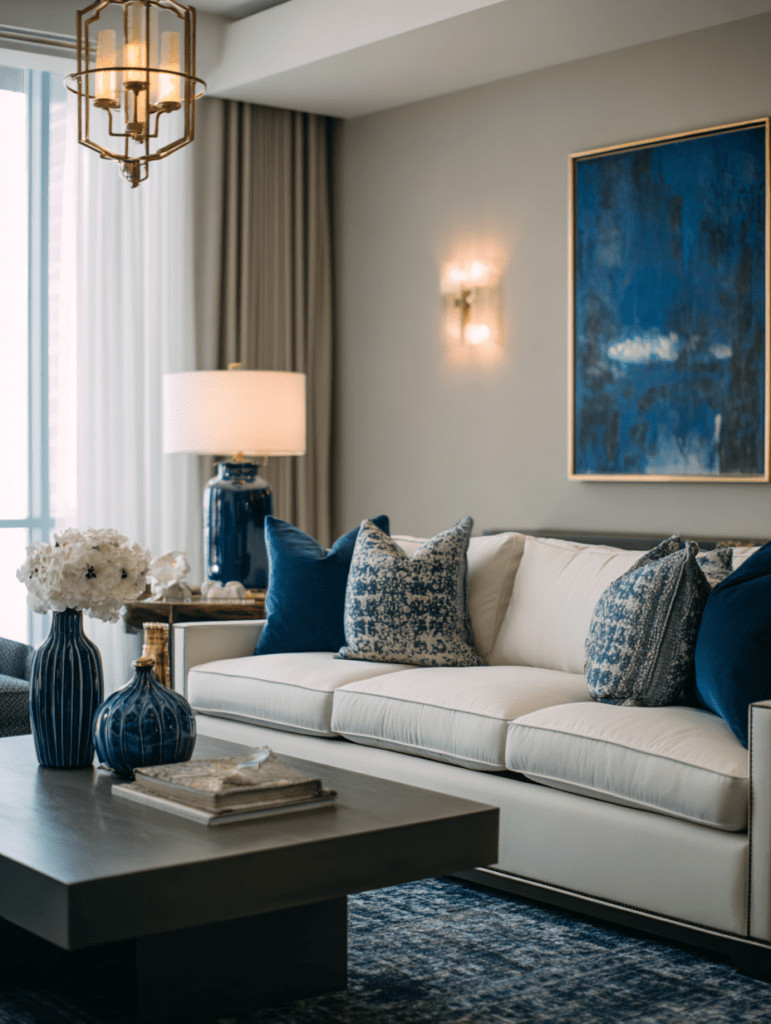
1. Start With What You Actually Like
This sounds obvious, but it’s surprisingly rare. Many people design a room around what they think it should look like instead of what they genuinely enjoy.
If you love dark wood, use it. If you’re drawn to vintage pieces*, lean into them. A room built from personal preference will always feel more distinctive than one built from trends.
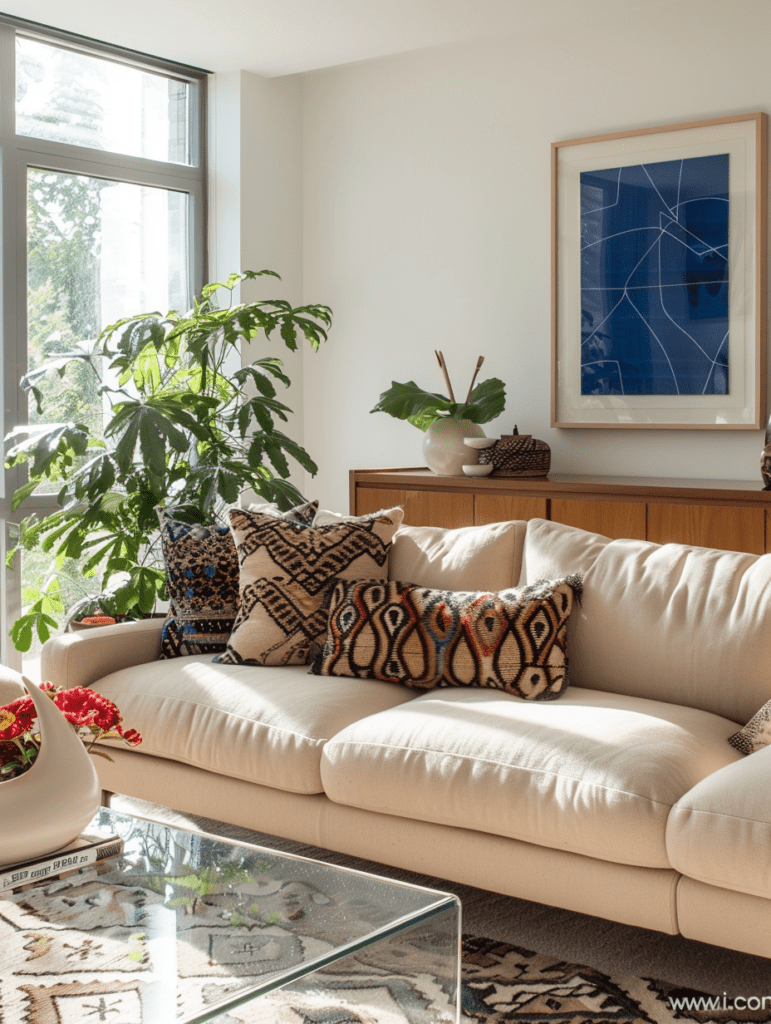
Trends fade quickly. Personal taste ages much better.
2. Invest in Unique Pieces
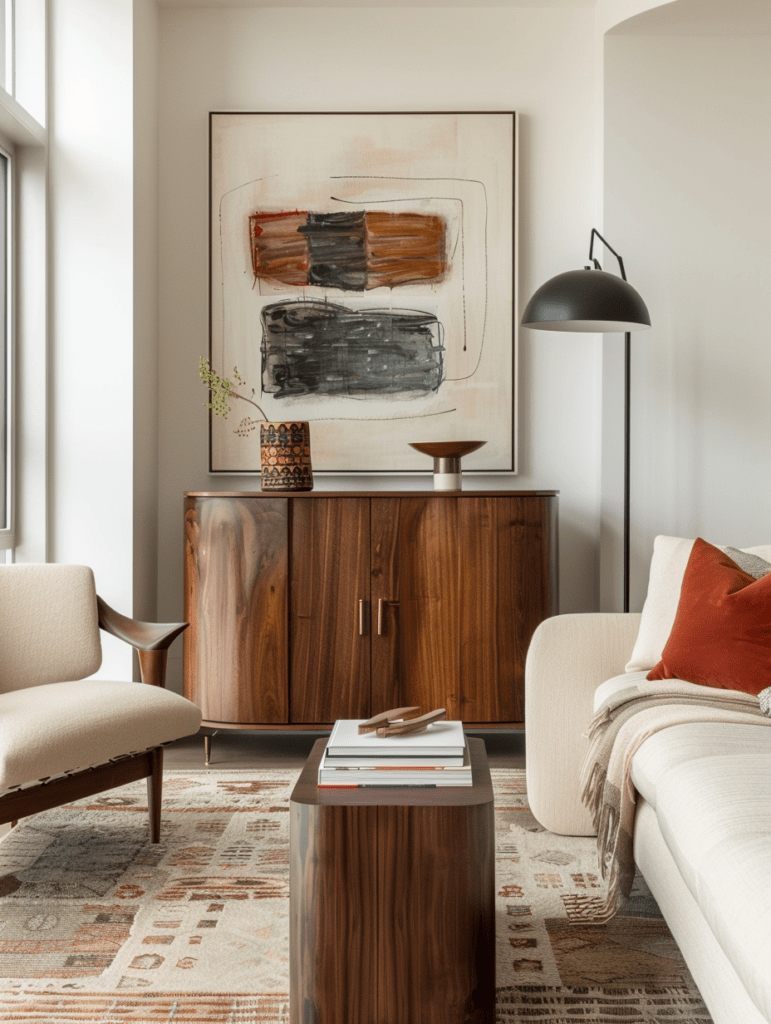
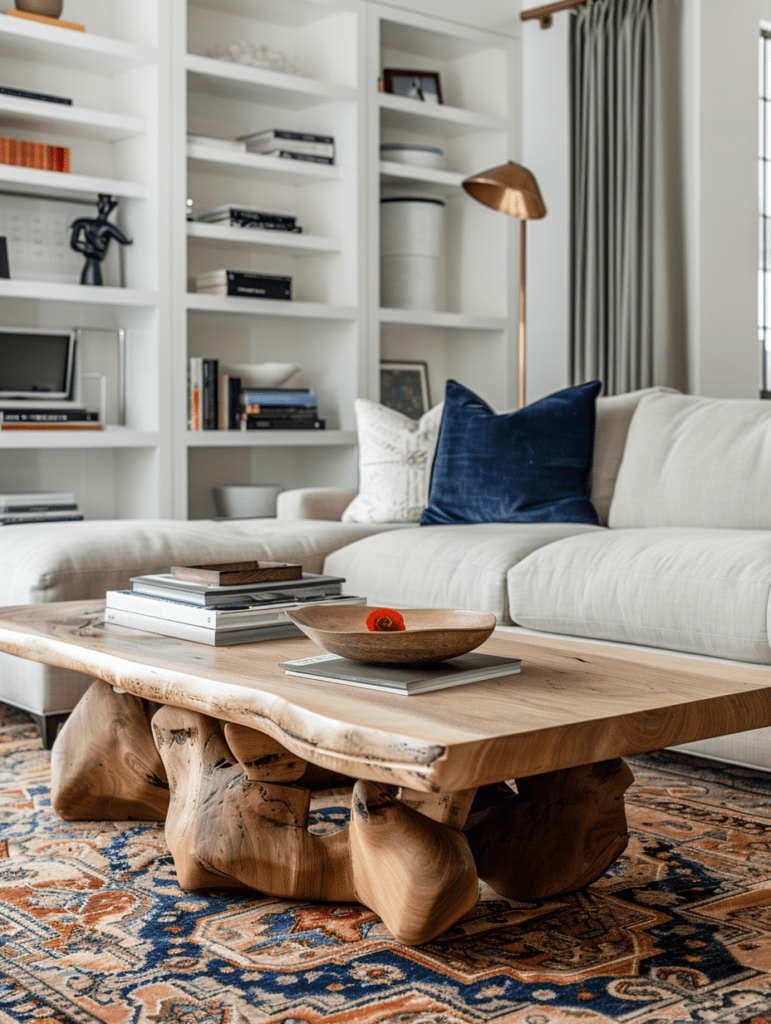
Uniqueness often comes from a single strong element. A striking cabinet*. A sculptural coffee table*. A beautiful Persian rug. Something with character.
Not everything needs to be expensive, but quality shows. Even spending a little more on one well-made piece can elevate the entire room.
Solid wood, good craftsmanship, real materials – they immediately separate a space from mass-produced interiors.
3. Choose Materials That Age Well
Real materials bring depth. Wood with visible grain. Linen. Stone. Brass that develops patina over time.
These details may seem subtle at first, but they make a room feel grounded and authentic. Even in regular furniture stores, paying a bit more for better finishes often makes a visible difference.
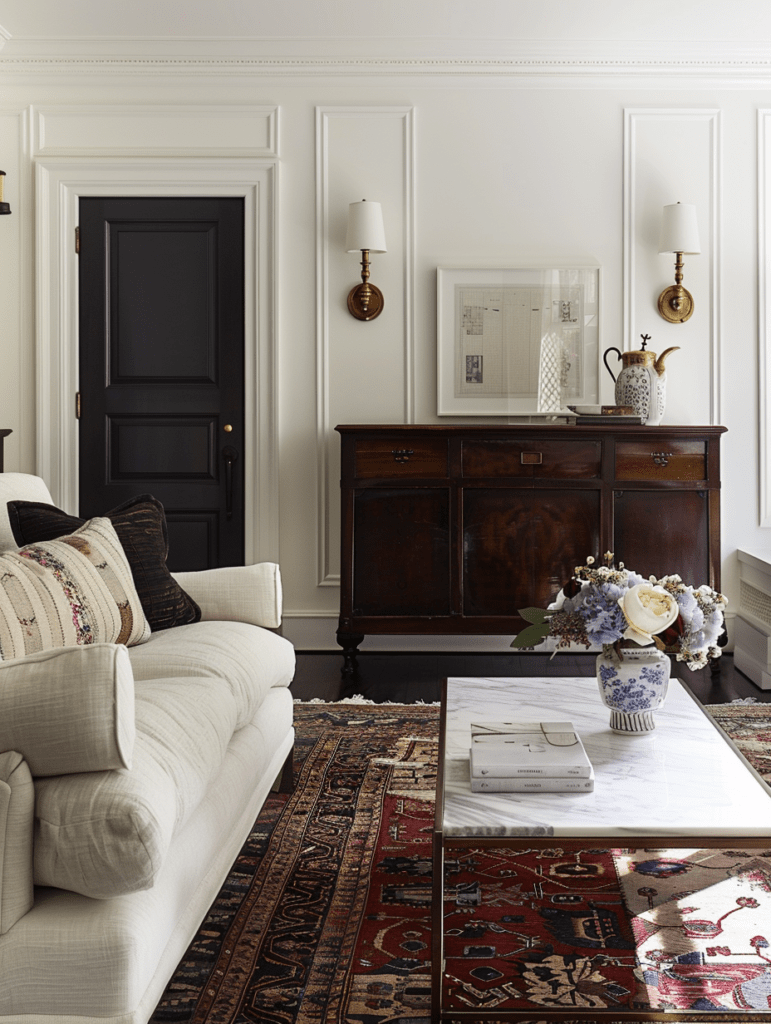
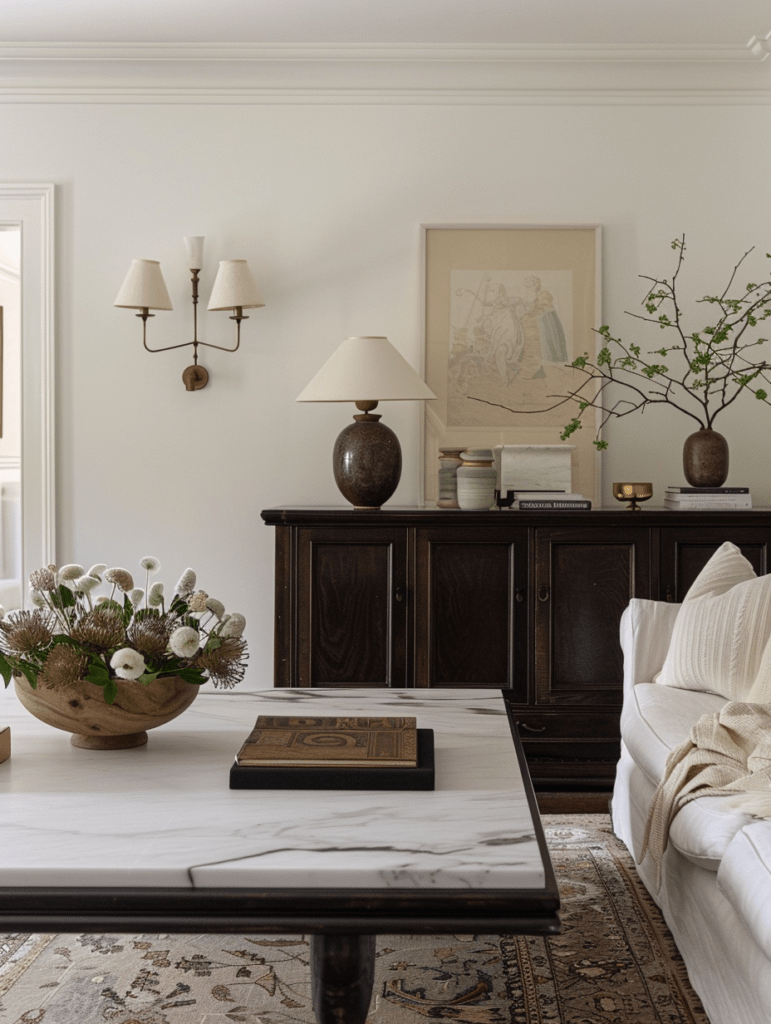
Quality rarely goes unnoticed.

4. Skip the Generic Decor Sets
The fastest way to make a room look generic is buying decor that was designed to be safe and universal. The classic trio of identical prints above the sofa is a good example.
Instead, look for one artwork that actually means something to you. A painting, a photograph, even a framed textile. One strong piece often has more impact than several neutral ones.
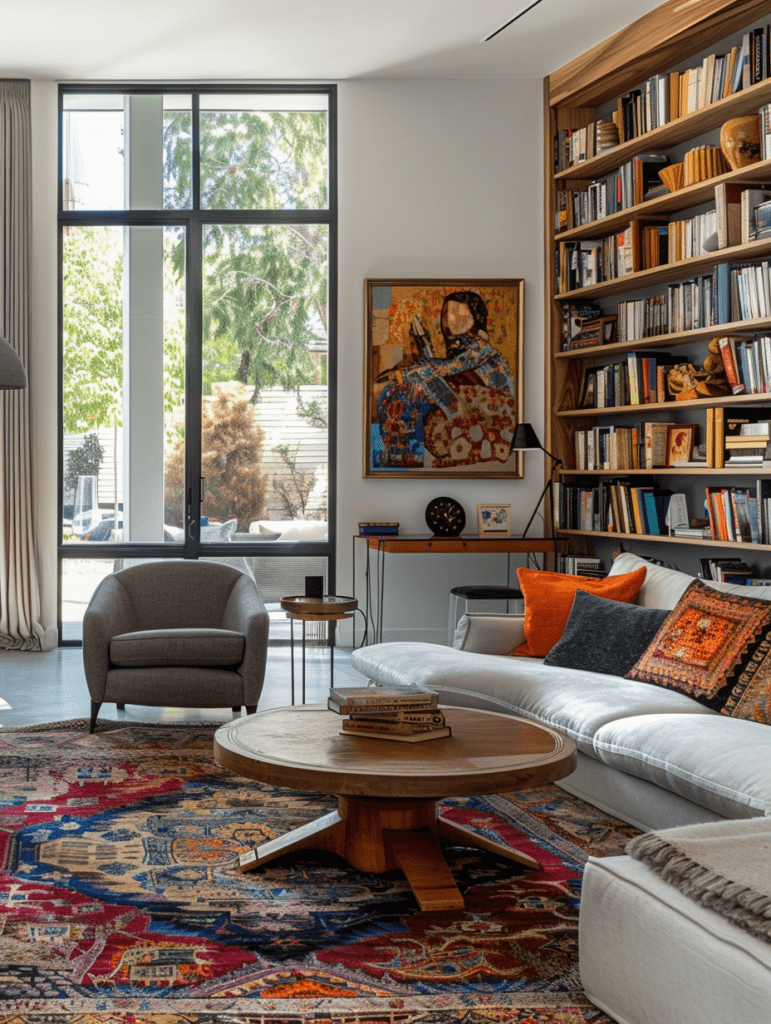
Character beats perfection.

5. Let the Room Grow Over Time
The most interesting interiors rarely appear fully finished in one day. They evolve.
A chair found while traveling. A lamp discovered in a small shop. A rug that felt right the moment you saw it. Rooms built slowly tend to feel layered and authentic.
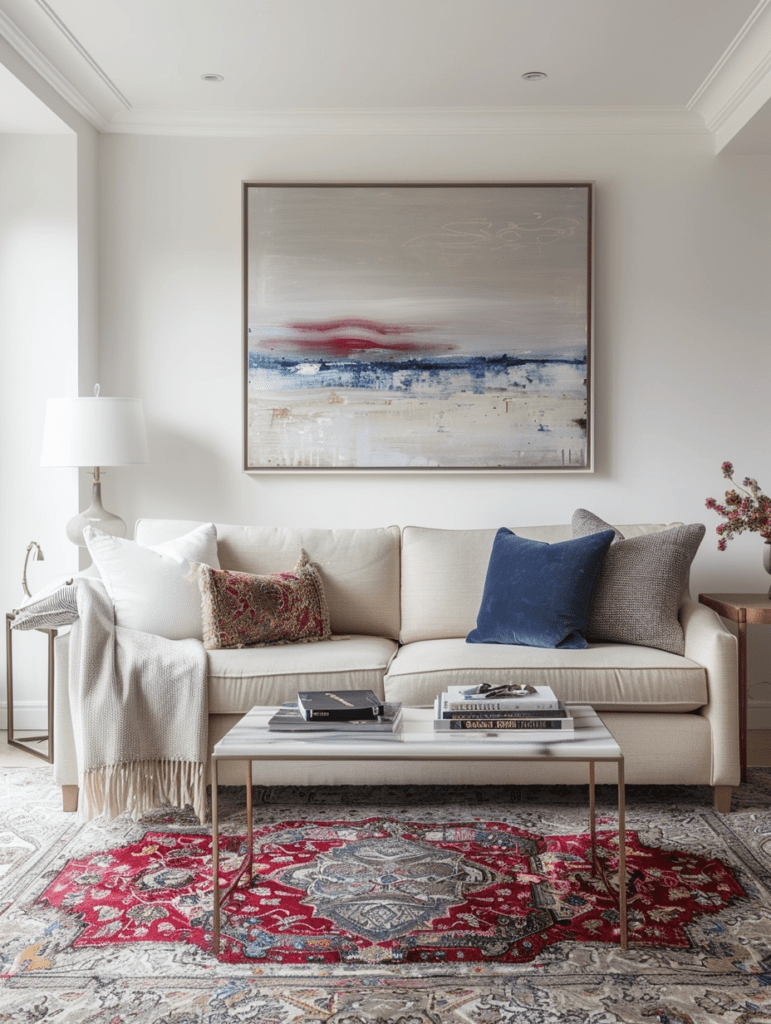
Trying to complete everything at once often leads to safe decisions.
6. Inspiration Is Helpful — Until It Isn’t
We love inspiration (I mean, we are Inspiring Your Home…). After all, exploring beautiful spaces is part of the fun. But endless scrolling can easily push you toward copying rather than creating.
Use inspiration to gather ideas, then step away from it. Walk through a store. Visit a flea market. Experiment with pieces you genuinely like.
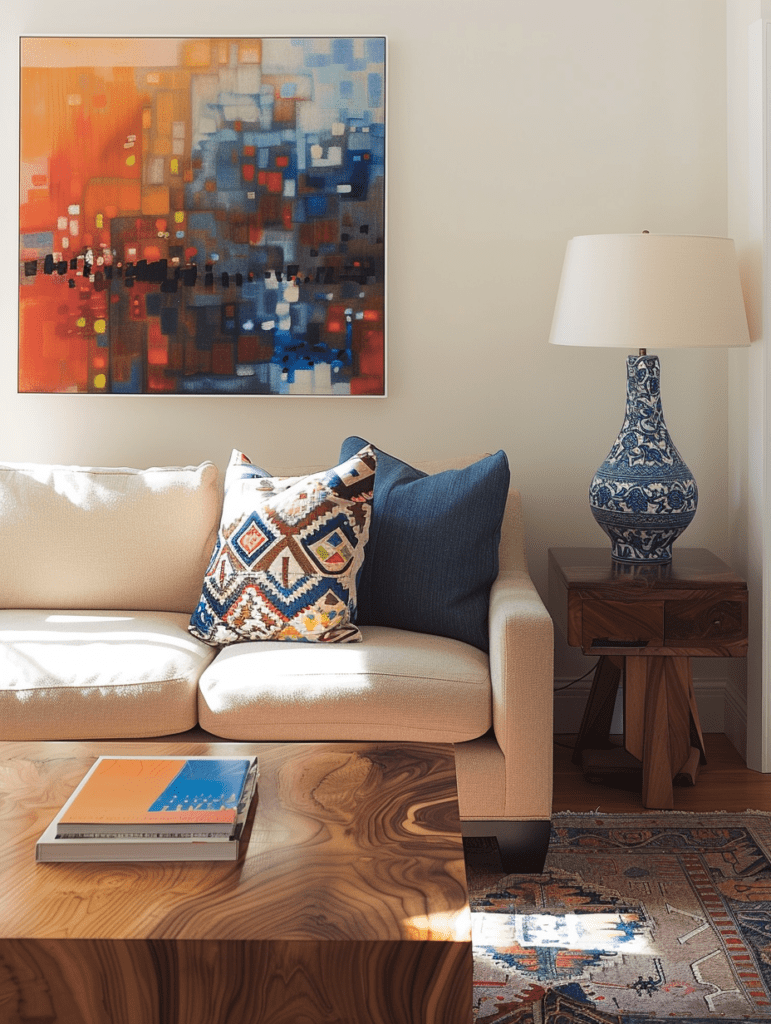
Your taste develops when you stop trying to match someone else’s room.

7. Mix the Unexpected
Some of the most memorable rooms come from combinations that shouldn’t work – but somehow do.
A modern sofa with an antique table. A rustic cabinet in a clean contemporary room. A bold artwork above classic furniture. These contrasts create personality.
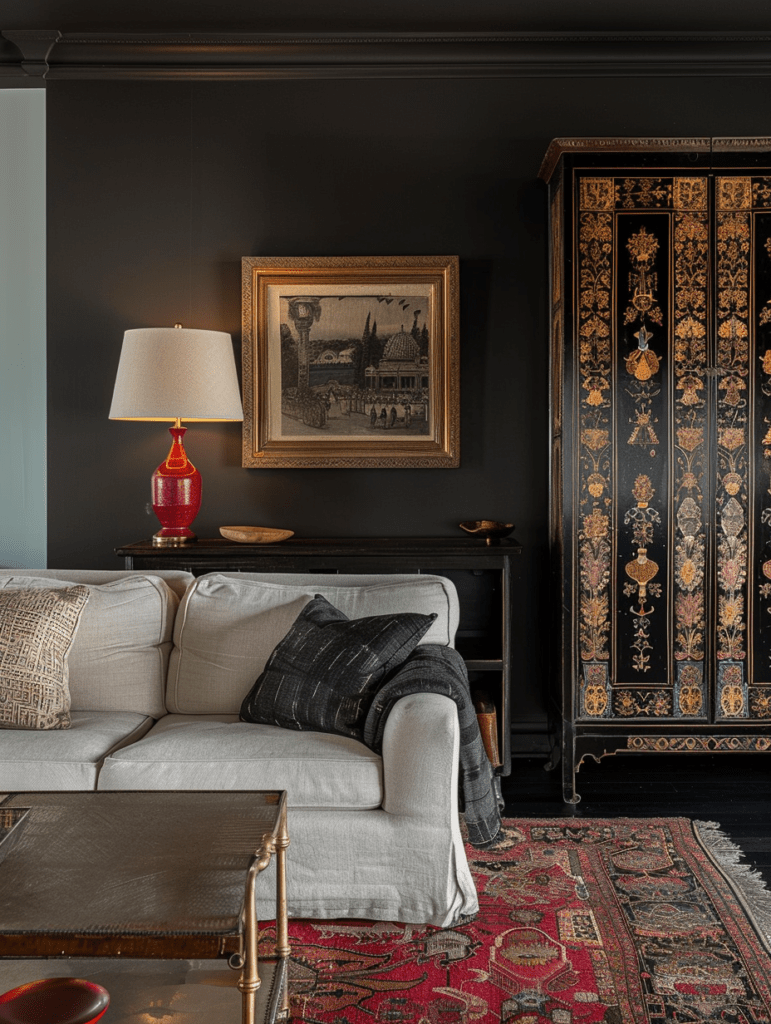
Perfection can feel staged. Contrast feels real.
A unique living room rarely follows a strict formula. It’s built from choices that feel right to you – unique pieces, materials that age well, and details that don’t try to please everyone.
In the end, individuality is what makes a room memorable. And that’s something no trend can replicate.