We’ve all had that one piece. It’s practical, it’s there – but visually, it does absolutely nothing. Maybe it’s a bit outdated, maybe it just blends in too much. Either way, it’s not adding anything to the room.
The good news is: a sideboard is one of the easiest pieces to transform. You don’t need to replace it. You just need to look at it differently – and make a few changes that completely shift how it feels.
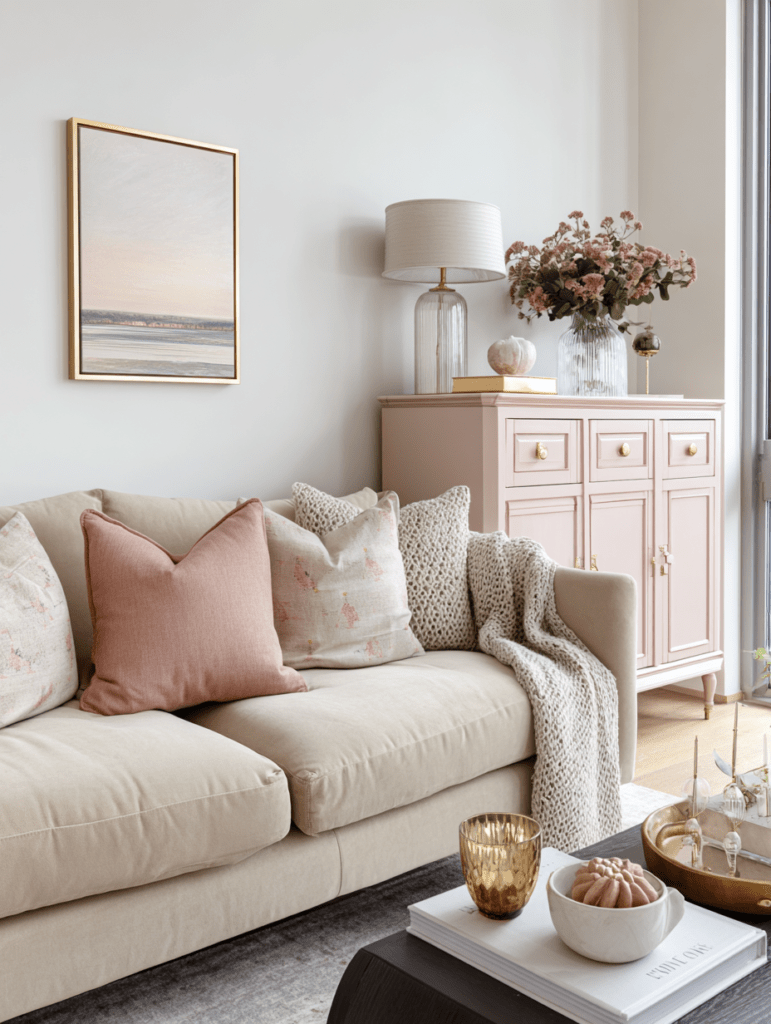
Give It a New Color (This Changes Everything)
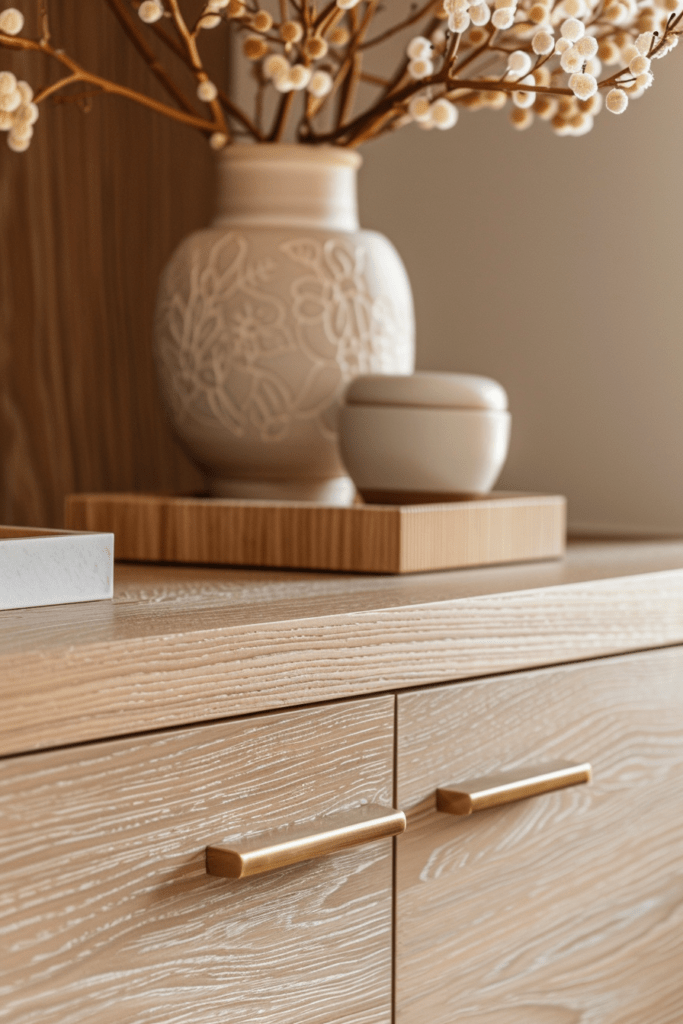
If your sideboard feels old, it’s usually the finish.
Painting it – or having it professionally lacquered – can completely modernize the piece. Soft pastels, muted tones, or even a deeper, elegant shade instantly change the vibe. And yes, even old wood finishes can look surprisingly fresh once reworked.
Tip: If you’re unsure, go slightly desaturated. It always looks more expensive.
Change the Handles (Small Detail, Big Impact)
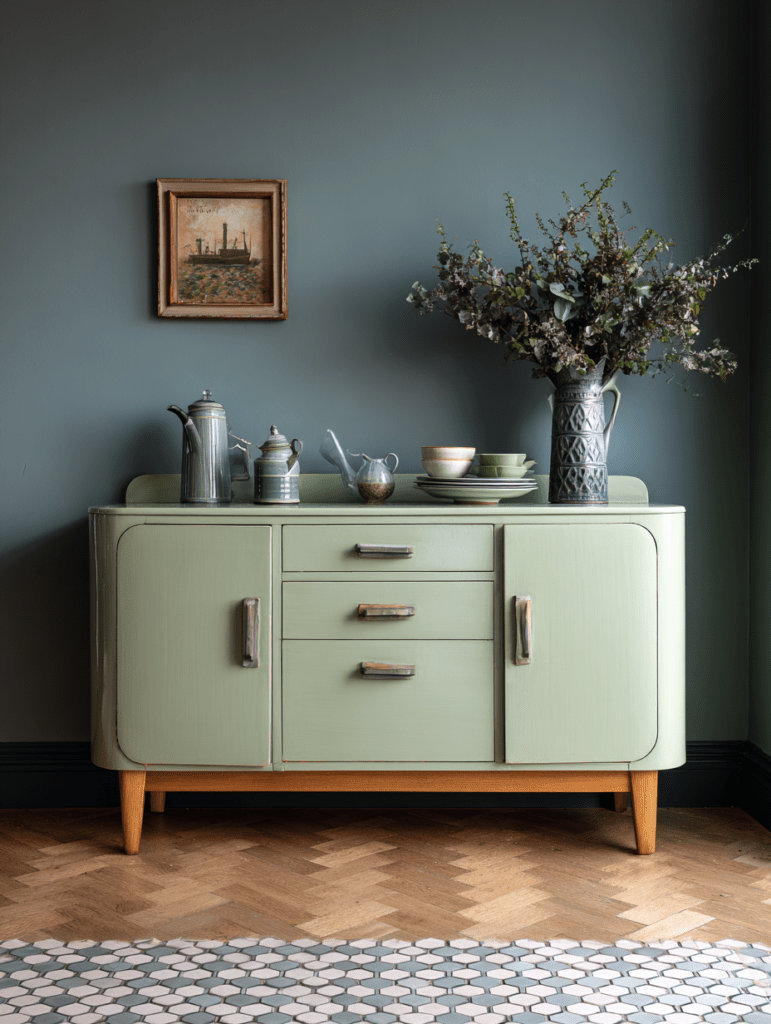
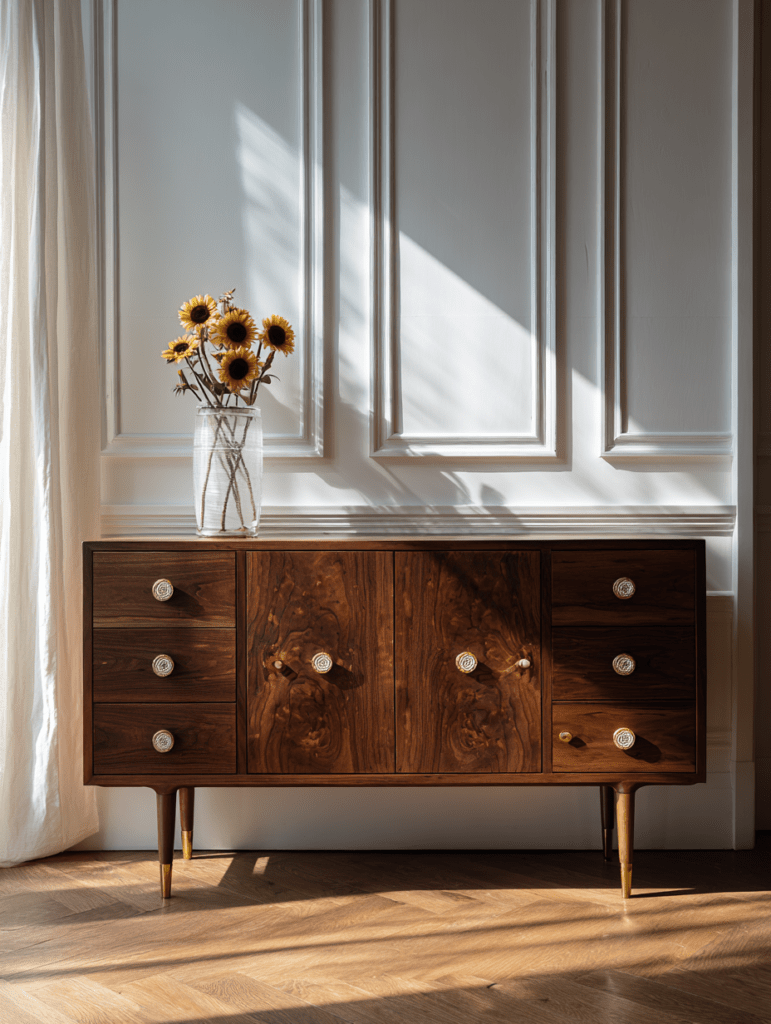
Handles are underrated. Seriously.
Switching them out can make your sideboard look like a completely different piece. Porcelain knobs for a softer look, wood for warmth, metal for something more structured – it all depends on the direction you want.
And yes, you can even add handles to handle-less cabinets. It sounds small, but it changes the entire perception of the piece.
Style It Like It Actually Matters
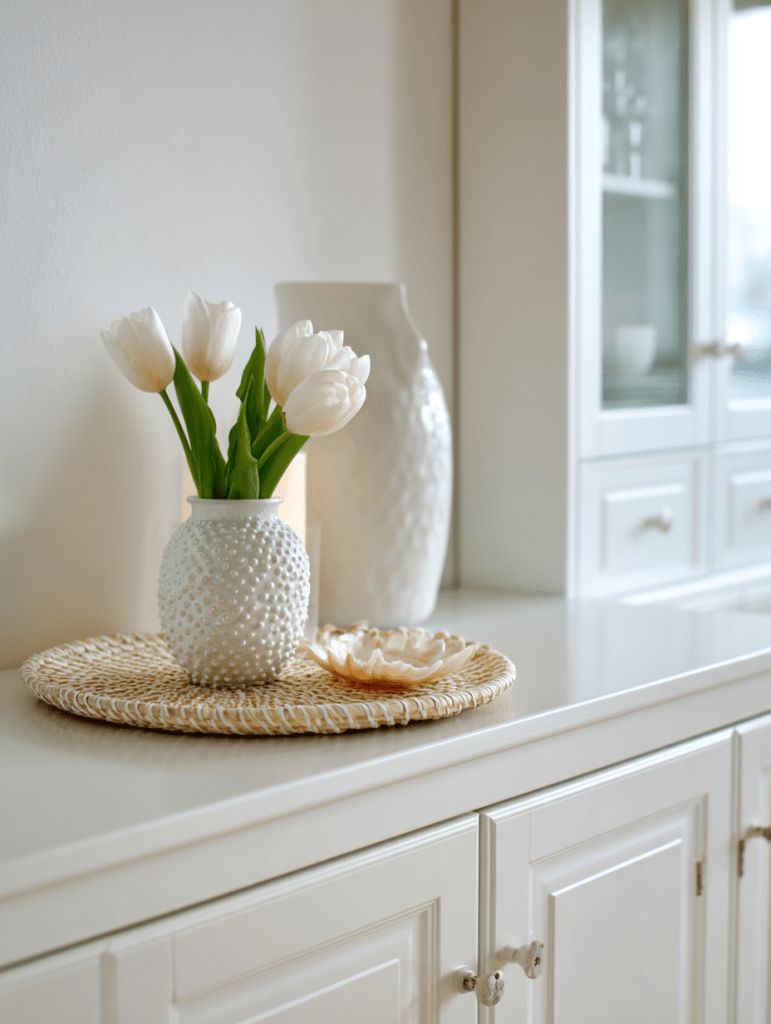
A sideboard is not just storage – it’s a surface. And one of the best ones you have.
A vase, a tray, a table lamp – that’s already enough. The trick is restraint. Don’t fill every corner. Leave space so the pieces you choose actually stand out.
Quick rule: if everything is “decor,” nothing is.
Add Something Above It (Otherwise It Feels Empty)
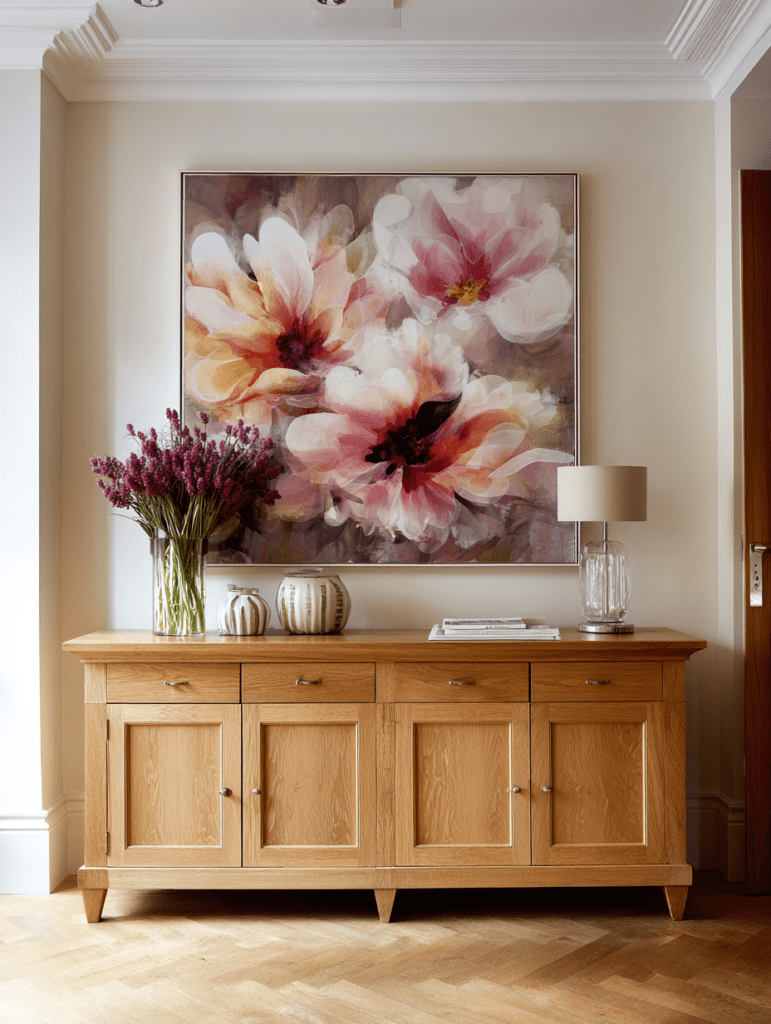
If there’s nothing above your sideboard, it will always feel unfinished.
A mirror, a piece of art, even a larger frame leaning casually against the wall — this anchors the whole setup. It gives the sideboard context and makes it feel intentional.
And yes, size matters here. Too small, and it disappears. Go bigger than you think.
Long story short: A sideboard doesn’t need to be new to look good. In most cases, it’s just underused. A few changes and it goes from background piece to something that actually shapes the room.