There’s a moment where everything just feels like too much. Surfaces are full, drawers don’t close properly, and even when things are technically “clean,” the space still feels heavy.
The instinct is often to go all in – throw everything out, start over, reset completely. And while that can work, it’s not always necessary. In most homes, there are a few key categories that create the majority of the visual noise. Once those are reduced, everything already feels lighter, clearer, more minimalist.
Clear the Surfaces First
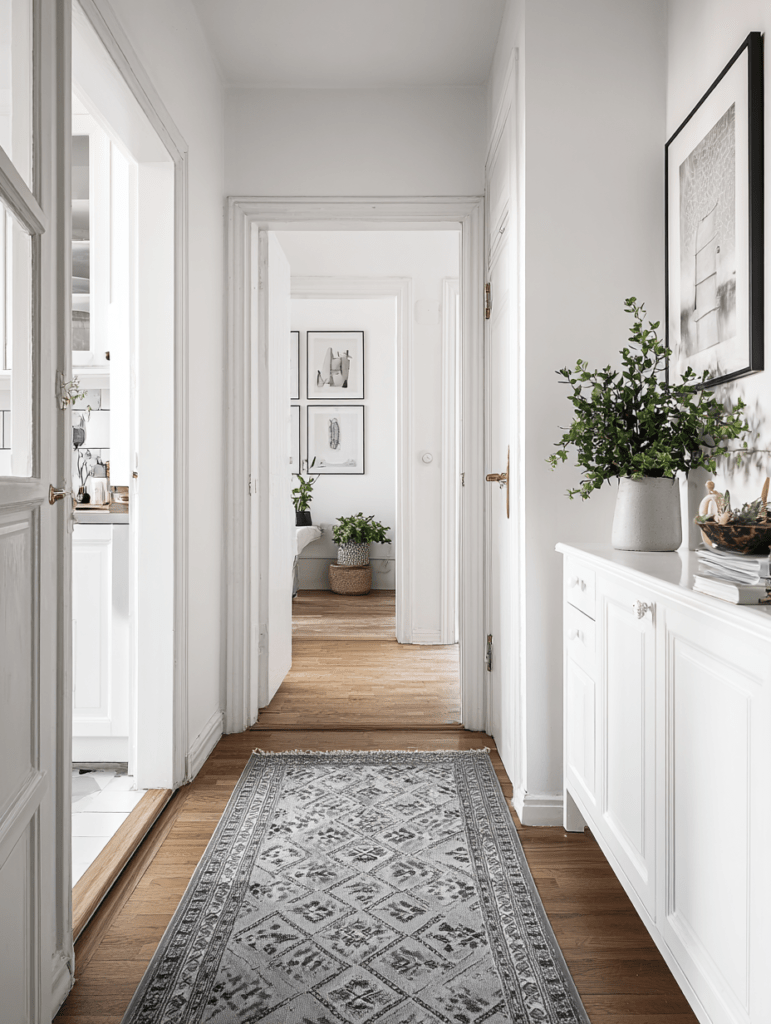
If a home feels cluttered, it’s almost always visible on surfaces.
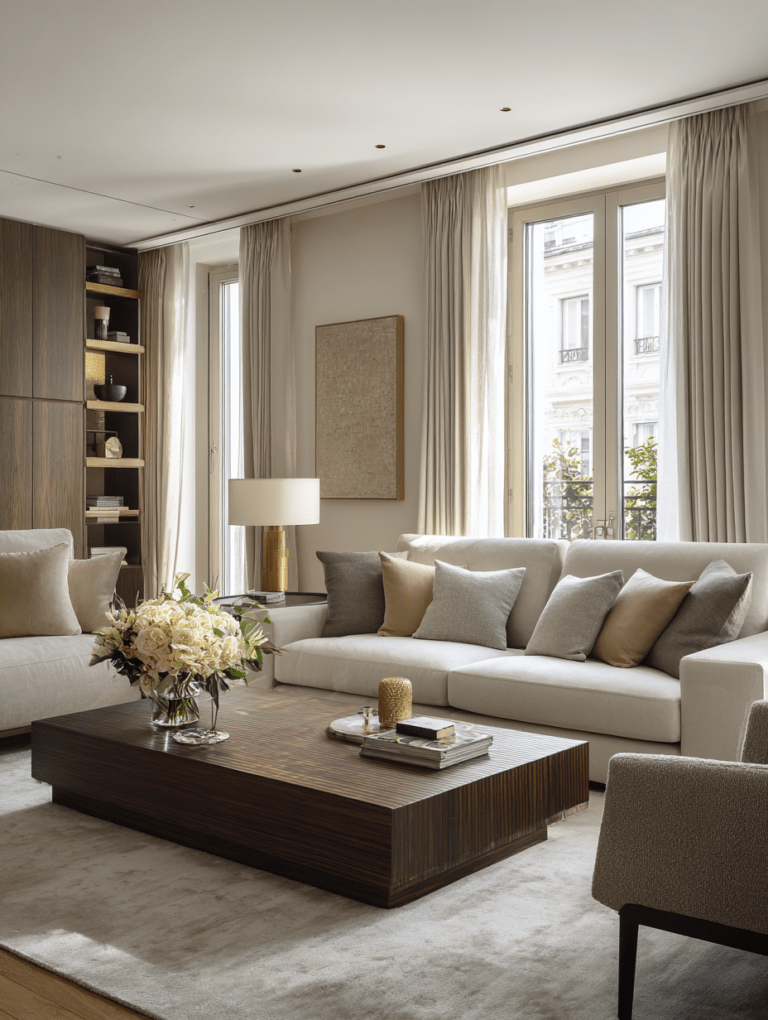
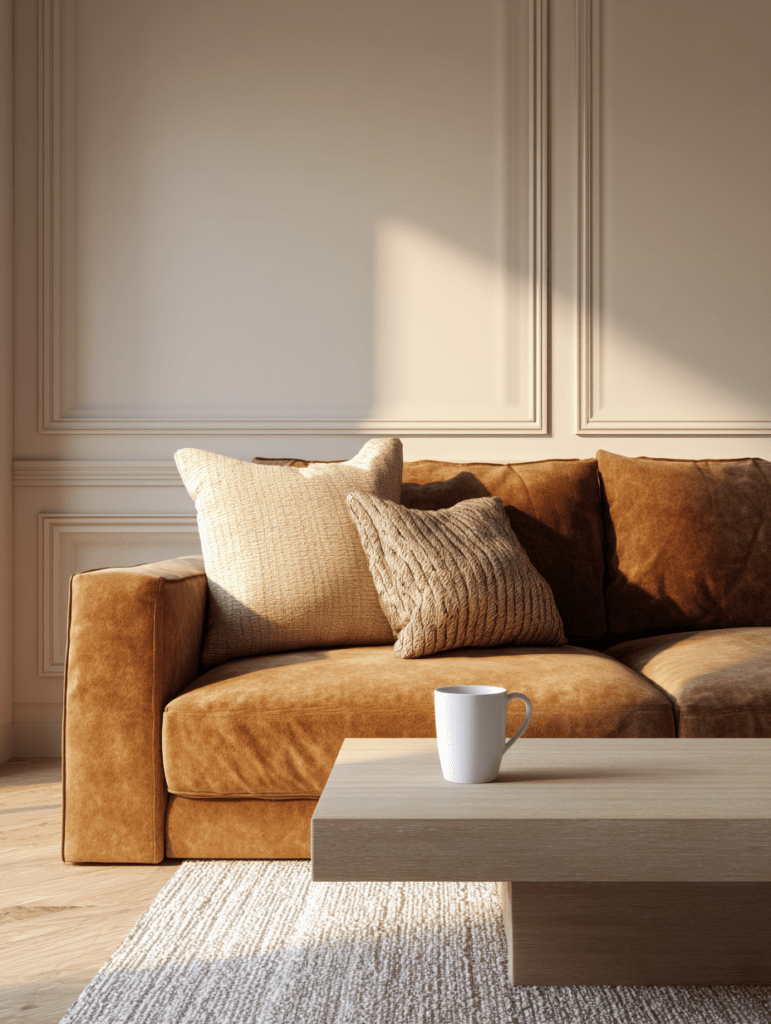
Coffee tables, TV units, shelves – these areas tend to collect decorative items that looked good individually, but together feel overwhelming. What works in photos often doesn’t translate to real life. Too many small objects quickly turn into visual clutter.
We often suggest removing everything first, then only bringing back what truly adds something. Not everything needs to be displayed. A few pieces with space around them will always feel calmer than a crowded setup.
Reduce “Just in Case” Items
One of the biggest sources of hidden clutter: things we keep “just in case.”
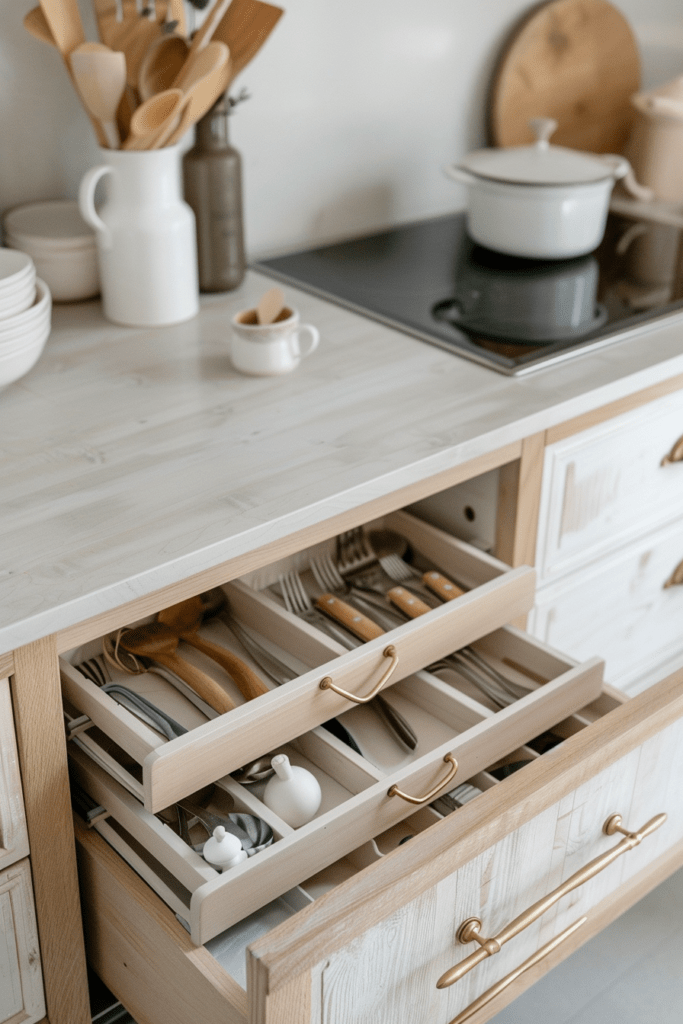
Extra kitchen tools, random cables, old containers, duplicates of items we rarely use. They don’t feel like clutter because they’re practical, but they quietly fill up space.
Removing even a portion of these items makes storage instantly more manageable. The goal isn’t to get rid of everything, but to question what actually gets used.
Everything Needs a Place
Minimalism isn’t just about owning less – it’s about knowing where things belong.
If an item doesn’t have a fixed place, it will always create mess. It ends up moving from surface to surface, never really disappearing. That’s usually a sign it’s either unnecessary or not properly integrated into your home.
A simple system helps: every category gets a defined spot. Kitchen, living room, bathroom – it doesn’t matter how small the space is. Once everything has a place, keeping things tidy becomes much easier.
Create a “Temporary” Catch-All
But keep it controlled.
There are always items that don’t clearly fit into “keep” or “throw away.”
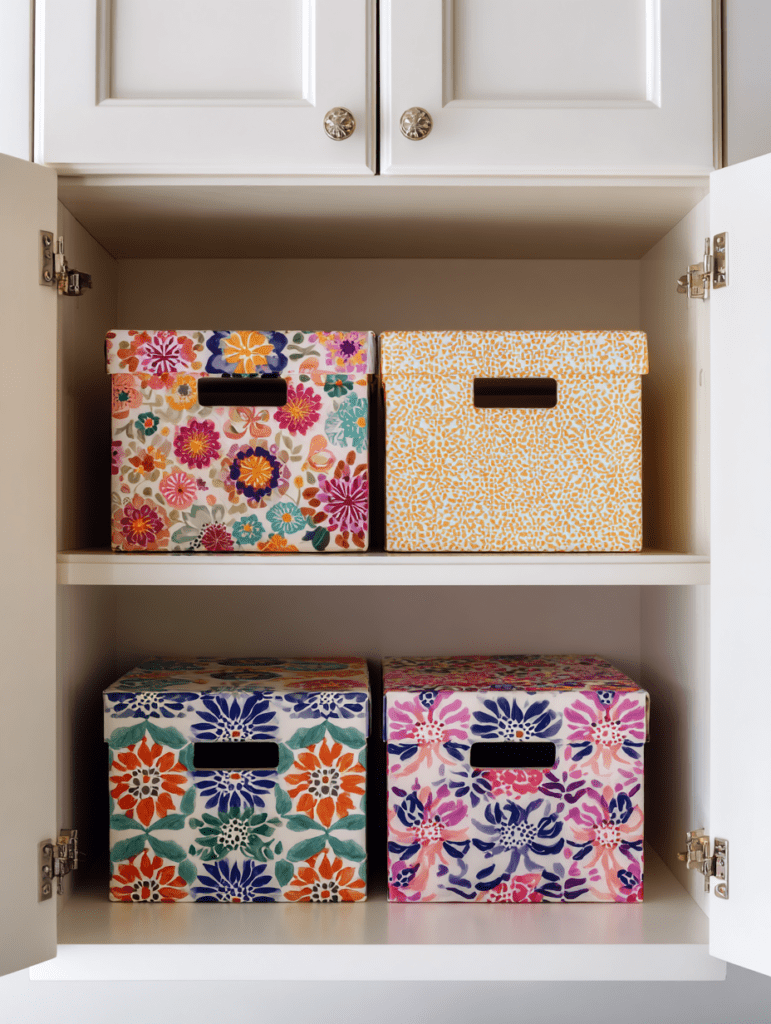
Instead of letting them spread across the home, create one defined place for them. A basket, a box, something contained. This becomes your “in-between” zone.
The important part: it stays limited. If the box fills up, it’s time to review.
Let Go of Decorative “Fillers”
Not all decor adds value.
We often see pieces that exist just to “fill” a space, like small objects on shelves, extra trays or decorative items that don’t really mean anything. While they can look styled, they rarely contribute to how a home feels.
Minimalism doesn’t mean removing all decor. Let’s repeat this sentence. It means choosing pieces that actually matter. Fewer, better – conscious choices.

Simplify Textiles
Textiles are often overlooked when decluttering.
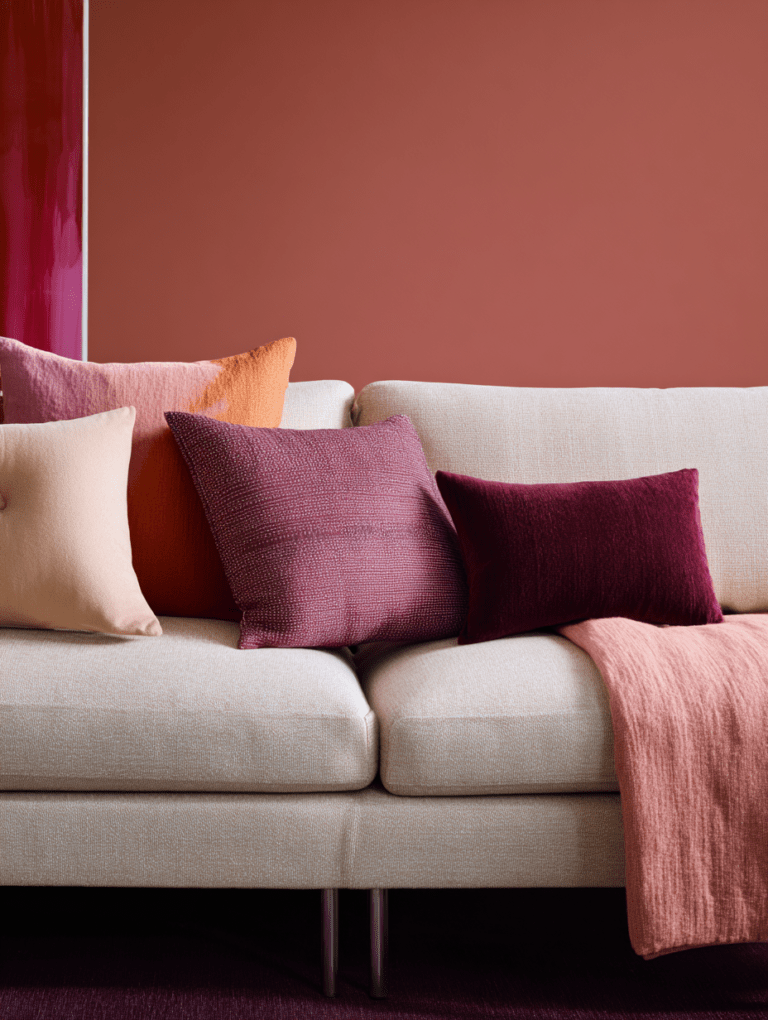
Too many cushions, throws, towels, or bedding variations can make a space feel heavier than it needs to be. Especially in living rooms and bedrooms, reducing these layers can instantly create a cleaner look.
Note
Going minimalist doesn’t have to mean starting from zero.
In most cases, it’s about removing the right things – not everything. Once the visual noise is reduced and everything has its place, the space naturally begins to feel calmer.